Newborn Reflexes: What’s Normal and What’s Not?Welcoming a newborn into the world is a moment filled with joy and wonder. As parents or caregivers, understanding the various reflexes exhibited by infants can be both fascinating and crucial for their development. Newborn reflexes are involuntary movements that are essential for survival and indicate the health of the baby. This article explores the different types of reflexes, what is considered normal, and when to seek medical advice.
Understanding Newborn Reflexes
Newborn reflexes are automatic responses to specific stimuli. These reflexes are not learned; rather, they are innate behaviors that serve various purposes, from feeding to self-protection. Reflexes typically emerge during pregnancy and are present at birth, although some may fade away as the child grows. Understanding these reflexes is essential for parents and caregivers, as they provide insight into the baby’s neurological development and overall health.
These reflexes can be categorized into two main types: primitive reflexes and postural reflexes. Primitive reflexes are essential for survival in the early days of life, while postural reflexes develop as the infant grows and begins to gain control over their body. Observing these reflexes can also be a source of joy and wonder for parents, as they witness their newborn’s instinctual behaviors that have been honed over generations of evolution.
Primitive Reflexes
Primitive reflexes are crucial for a newborn’s survival. They are present at birth and usually disappear as the child develops. Some of the most common primitive reflexes include:
- Moro Reflex: Also known as the startle reflex, this occurs when a baby feels a sudden loss of support. The infant will throw their arms out and then quickly bring them back in, often accompanied by crying. This reflex is believed to be a protective mechanism, alerting caregivers to potential danger.
- Rooting Reflex: This reflex helps babies find the breast or bottle for feeding. When the baby’s cheek is stroked, they will turn their head toward the stimulus and open their mouth. This instinctual behavior is vital for ensuring that newborns receive the nourishment they need to grow and thrive.
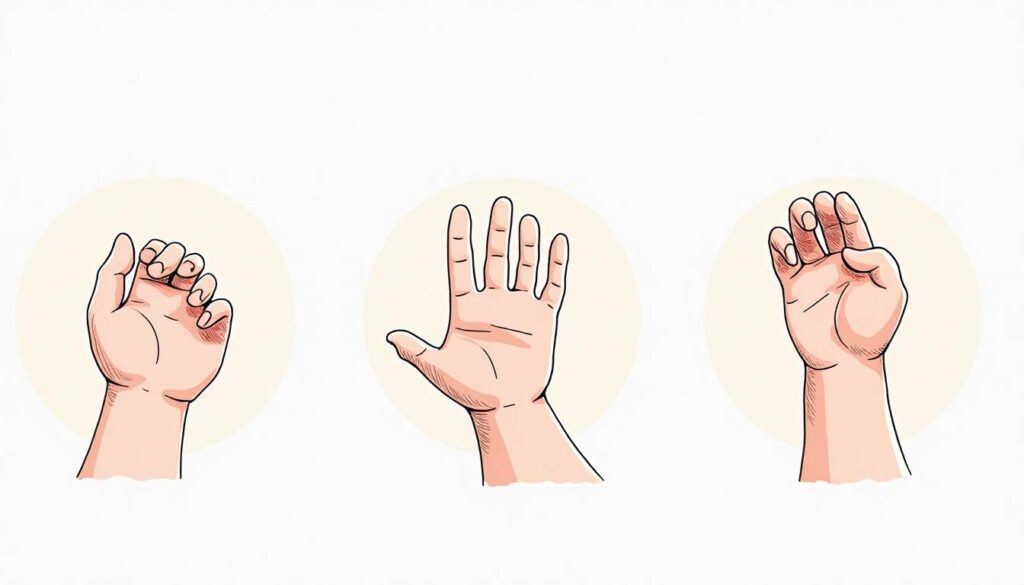
- Grasp Reflex: When an object is placed in a baby’s palm, they will automatically grasp it. This reflex is often seen when a parent or caregiver touches the baby’s hand. Interestingly, this reflex can create a bonding experience, as the baby instinctively holds onto their caregiver’s finger, fostering a sense of security and connection.
Postural Reflexes
As infants grow, they develop postural reflexes that help them maintain balance and posture. These reflexes typically emerge around the age of two months and continue to develop as the child matures. Examples include:
- Head Righting Reflex: This reflex allows a baby to keep their head upright when their body is tilted. It helps with balance and coordination, which are essential for later milestones such as sitting up and walking. The development of this reflex is a fascinating indicator of the baby’s growing strength and muscle control.
- Parachute Reflex: When an infant is held upright and suddenly lowered, they will extend their arms downward as if to catch themselves. This reflex appears around six months of age and is a critical step in developing spatial awareness and motor skills. It showcases the infant’s increasing understanding of their environment and their ability to react to it.
In addition to these reflexes, it is important to note that the presence and strength of newborn reflexes can vary from one child to another. Factors such as gestational age, birth conditions, and overall health can influence how these reflexes manifest. Pediatricians often assess these reflexes during routine check-ups to ensure that the baby’s neurological development is on track. Parents can also engage with their infants through gentle stimulation, such as tummy time or playful interactions, to encourage the natural progression of these reflexes into more complex motor skills.
What’s Normal? Key Reflexes to Monitor
While many reflexes are common and expected, it’s essential to know what to look for in a healthy newborn. Monitoring these reflexes can provide insight into the baby’s neurological development and overall health.
Timing of Reflexes
Most newborn reflexes appear shortly after birth and should be present during the first few months of life. For instance, the rooting and grasp reflexes typically manifest within the first few weeks. If these reflexes are absent or delayed, it may warrant further evaluation by a healthcare professional.
As the baby grows, these reflexes will gradually fade. For example, the Moro reflex usually disappears by four to six months, while the grasp reflex may last until about six months of age. Understanding the timeline of these reflexes can help parents gauge their child’s development. Additionally, certain reflexes may re-emerge during specific developmental milestones, such as when a child begins to explore their environment more actively. This can be an exciting time for parents, as they witness their child’s growth and increasing interaction with the world around them.
Variability in Reflexes
It’s important to note that there can be variability in reflexes among newborns. Some babies may exhibit stronger reflexes than others, and this can depend on various factors, including gestational age and overall health. Premature infants may display weaker or less coordinated reflexes compared to full-term babies.
Parents should observe their newborn’s reflexes in a relaxed environment. Stress or discomfort can temporarily affect reflex responses, so ensuring the baby is calm can provide a clearer picture of their reflexes. Engaging in gentle play or soothing activities, such as swaddling or soft music, can create an ideal atmosphere for reflex observation. Furthermore, it’s beneficial for parents to document their observations over time, as this can help healthcare providers assess any changes or concerns during routine check-ups. By fostering a nurturing environment, parents can not only support their baby’s reflex development but also strengthen the emotional bond between them and their child.
When to Seek Medical Advice
While many reflexes are normal, certain signs may indicate a need for medical evaluation. Parents and caregivers should be vigilant and aware of the following red flags:
Absence of Reflexes
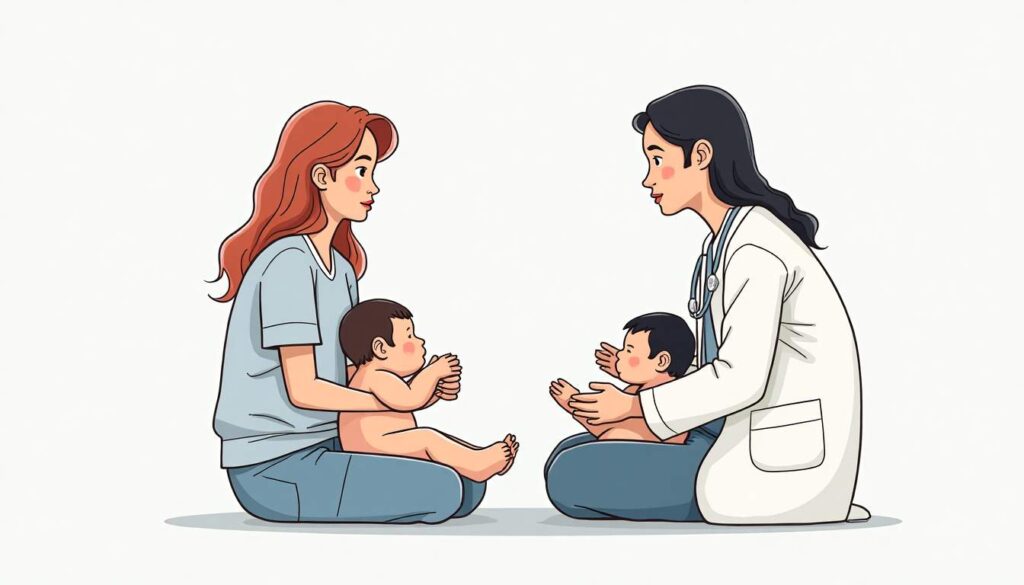
If a newborn does not exhibit expected reflexes, such as the rooting or grasp reflex, it may be a cause for concern. Absence of these reflexes can indicate neurological issues or developmental delays. Consulting a pediatrician for further assessment is advisable.
Additionally, if reflexes that are typically present at birth persist beyond the expected age, this could also signal underlying issues. For example, the Moro reflex should not be present after six months, and its persistence may require further investigation. It is important for parents to keep a record of their child’s developmental milestones, as this information can be invaluable during consultations with healthcare professionals. Tracking these milestones can help identify patterns or delays that may warrant further examination.
Exaggerated Reflexes
On the other hand, exaggerated or overly strong reflexes can also be a concern. If a baby exhibits extreme startle responses or shows signs of discomfort during reflex testing, it may suggest neurological problems that need to be addressed. Such responses could indicate hyperactivity of the nervous system, which might be linked to conditions such as cerebral palsy or other neurological disorders.
Parents should not hesitate to discuss any concerns with their healthcare provider, as early intervention can be crucial for addressing potential developmental issues. It is also beneficial for caregivers to educate themselves about typical reflex development and to observe their child’s behavior in various situations. Engaging in regular pediatric check-ups can ensure that any anomalies are caught early, allowing for timely interventions that can significantly improve outcomes for the child.
Supporting Healthy Reflex Development
While many reflexes are innate, there are ways to support healthy development in newborns. Creating a nurturing environment can foster the natural progression of reflexes and overall growth.
Encouraging Tummy Time
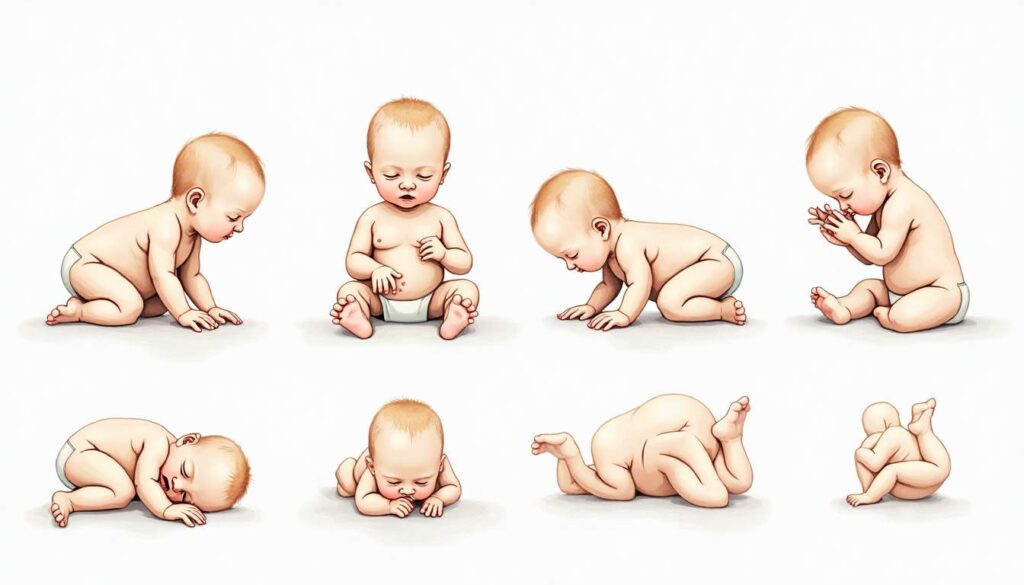
Tummy time is essential for developing strength and coordination in infants. Placing a baby on their stomach while they are awake encourages them to lift their head and engage their muscles. This activity not only supports the development of postural reflexes but also helps prevent flat spots on the head.
Parents should start with short sessions of tummy time, gradually increasing the duration as the baby becomes more comfortable. Engaging the baby with toys or getting down on the floor to interact can make tummy time enjoyable.
Creating a Stimulating Environment
Providing a stimulating environment can also promote healthy reflex development. Bright colors, varied textures, and sounds can capture a baby’s attention and encourage them to explore their surroundings. Mobile toys, rattles, and mirrors can be excellent tools for engaging a newborn’s senses.
Additionally, gentle movements, such as rocking or swaying, can help develop balance and coordination. These activities not only stimulate reflexes but also strengthen the parent-child bond.
Conclusion: Embracing the Journey of Development
Newborn reflexes are a remarkable aspect of early development, serving as indicators of a baby’s health and neurological function. Understanding what is normal and recognizing potential concerns can empower parents and caregivers to support their child’s growth effectively.
As infants grow, they will continue to develop new skills and abilities, transitioning from reflexive movements to more intentional actions. By fostering a nurturing and stimulating environment, parents can play an active role in their child’s development, celebrating each milestone along the way.
Ultimately, while reflexes provide valuable insights into a newborn’s health, they are just one piece of the puzzle. Regular check-ups with healthcare providers, along with attentive observation and engagement, will ensure that infants receive the support they need during this critical stage of life.