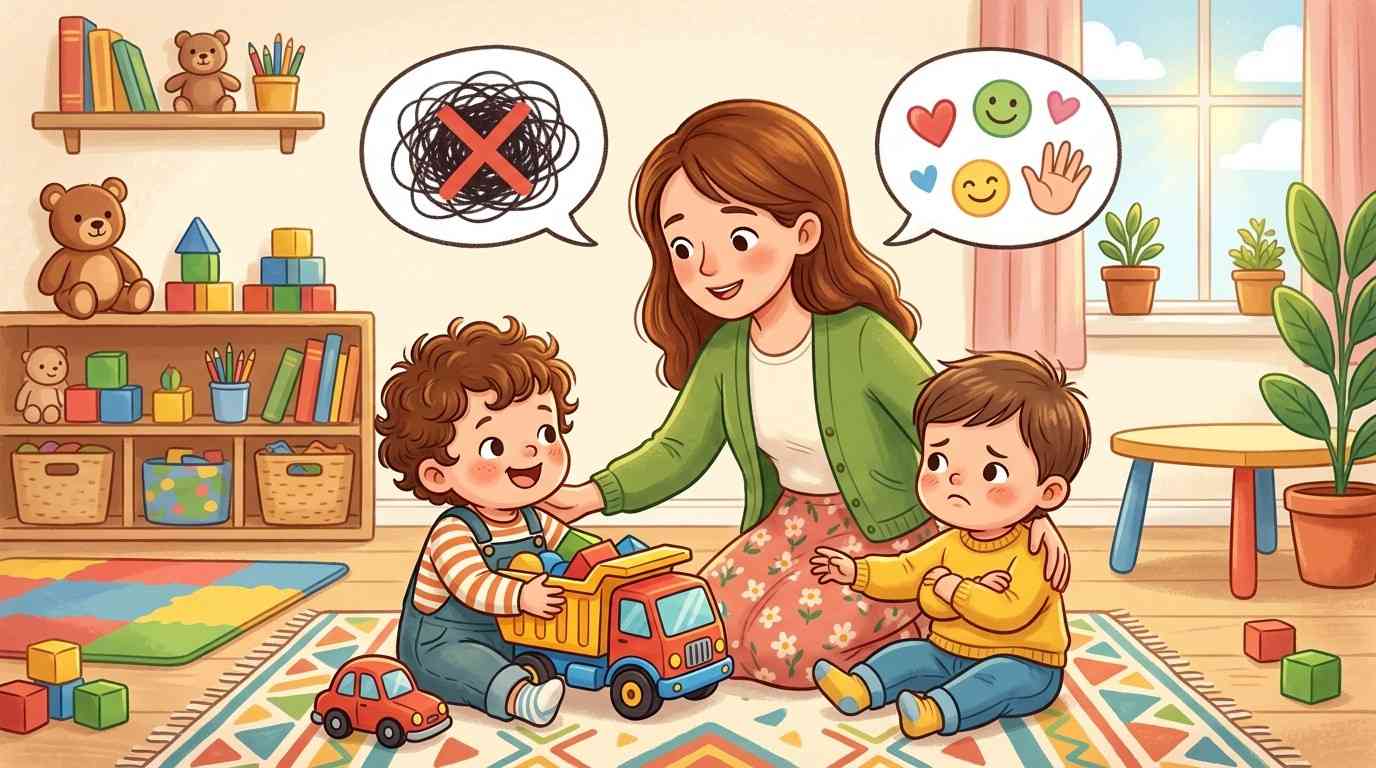
Understanding how your baby learns can be a crucial aspect of their development. Each child is unique, and recognizing whether they are visual or auditory learners can help tailor their learning experiences. This article explores the characteristics of visual and auditory learners, how to identify which category your baby falls into, and the best strategies to support their learning style.
Understanding Learning Styles
Learning styles refer to the preferred ways in which individuals absorb, process, and retain information. While many theories exist, the two most commonly recognized styles are visual and auditory learning. Visual learners typically grasp concepts better through images, diagrams, and written information, while auditory learners excel when they hear information, benefiting from discussions, lectures, and sounds.
Recognizing these styles in babies can be challenging, but with careful observation, parents can gain insights into their child’s preferences. This understanding can significantly enhance the way they engage with educational materials and experiences. For instance, a baby who shows excitement when looking at colorful picture books may indicate a visual learning preference, while one who calms down and focuses during storytime may lean towards auditory learning.
The Importance of Identifying Learning Styles
Identifying whether your baby is a visual or auditory learner can greatly influence their educational journey. By catering to their learning style, parents can create an environment that fosters curiosity and motivation. For instance, visual learners may thrive in settings filled with colorful books and educational videos, while auditory learners might respond better to songs, rhymes, and verbal instructions. This tailored approach not only makes learning more enjoyable but also helps children to engage with content more deeply, leading to better retention of information.
Moreover, recognizing these traits early on can help in developing effective teaching strategies as your child grows. It can also assist in building their confidence, allowing them to embrace their unique ways of learning. As children progress through different stages of education, understanding their learning style can also aid in selecting appropriate activities and materials that resonate with their preferences, making the learning process smoother and more effective.
Common Characteristics of Visual and Auditory Learners
Visual learners often exhibit specific traits. They may prefer to look at pictures or illustrations rather than listen to explanations. They might also enjoy activities that involve drawing, coloring, or watching videos. When learning new concepts, they might recall information better when it is presented visually. For example, a visual learner might benefit from using flashcards with images to memorize vocabulary words or engaging in crafts that allow them to express their understanding through art.w
On the other hand, auditory learners tend to respond well to sounds and verbal instructions. They might enjoy listening to stories, singing songs, or engaging in conversations. These children often remember things they hear more effectively than things they see. They may also be more attuned to the rhythm and melody of language. Engaging auditory learners through storytelling sessions or interactive discussions can enhance their learning experience, as they thrive in environments where they can listen and respond. Additionally, incorporating music and sound into their learning can further stimulate their interest and retention of information.
Signs Your Baby Is a Visual Learner
Identifying a visual learner in infancy can be a nuanced process. However, certain signs may indicate that your baby prefers to learn visually. Observing your child’s reactions to various stimuli can provide valuable insights.
Observation of Interests
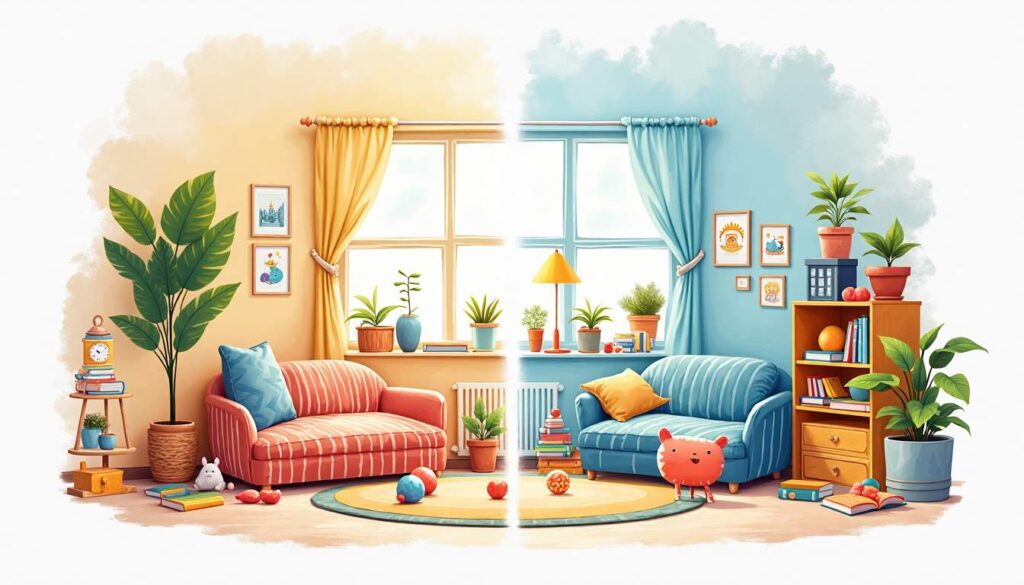
One of the most telling signs of a visual learner is a strong interest in visual stimuli. If your baby is captivated by colorful toys, books with vibrant illustrations, or even the movement of objects, this could indicate a preference for visual learning. Babies may also show a tendency to focus on pictures or videos, often reaching for them or showing excitement when they see them.
Additionally, visual learners might display a keen interest in their surroundings, often gazing at new objects or environments. They may enjoy exploring textures and colors, which can be a way for them to learn about the world around them.
Response to Visual Cues
Another sign of a visual learner is how they respond to visual cues. For example, if your baby seems to understand commands or instructions better when accompanied by gestures or demonstrations, this could be a strong indicator. Visual learners often benefit from seeing how things work rather than just hearing about them.
When playing, visual learners may also prefer activities that involve sorting objects by color or shape, or those that require them to match pictures. These preferences can be early indicators of their learning style.
Memory Retention Patterns
Memory retention is another area where visual learners may stand out. If your baby seems to remember faces, places, or objects they have seen before, it could suggest a visual learning preference. They may also be able to recall details from a picture book or remember where they last saw a favorite toy.
In contrast, if your baby struggles to recall information that is only presented verbally, this could further support the idea that they are a visual learner. Providing them with visual aids can enhance their ability to retain information.
Signs Your Baby Is an Auditory Learner
Just as with visual learners, recognizing the signs of an auditory learner can be beneficial for tailoring learning experiences. Babies who are auditory learners may display specific behaviors and preferences that indicate their learning style.
Engagement with Sounds
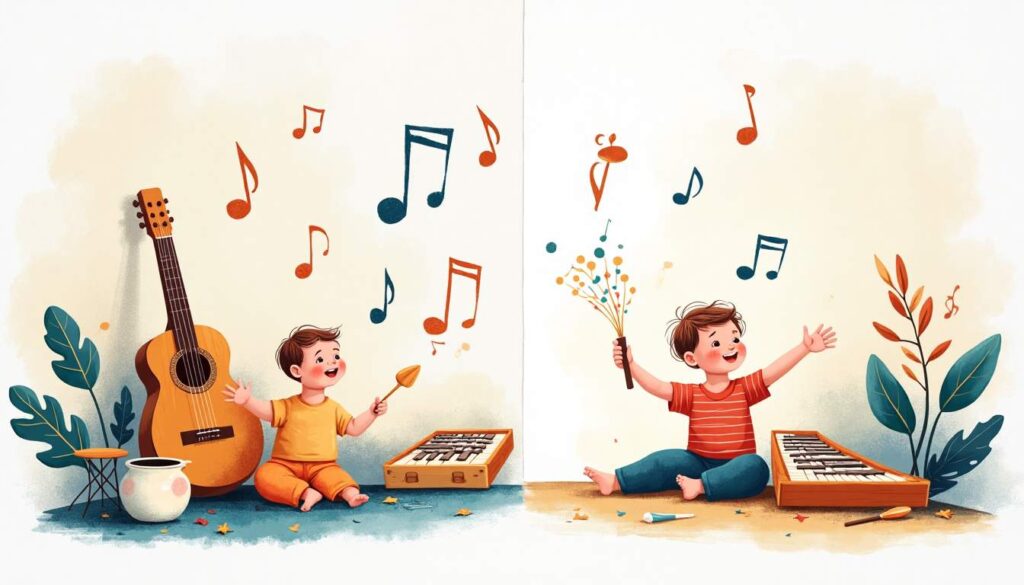
Auditory learners often show a strong engagement with sounds. If your baby responds positively to music, singing, or even the sound of your voice, this could be a sign of an auditory preference. They might coo or babble along to melodies, showing a natural inclination towards auditory stimuli.
Moreover, auditory learners may be more likely to react to verbal communication. If your baby turns their head towards you when you speak or seems to enjoy listening to stories, these behaviors can indicate a preference for auditory learning.
Interest in Language
A strong interest in language can also signify an auditory learner. If your baby is babbling frequently, mimicking sounds, or attempting to form words early, these could be signs of their auditory learning style. They may also enjoy listening to rhymes or repetitive phrases, which can help reinforce their understanding of language.
Additionally, auditory learners often thrive in environments where they can engage in conversations. If your baby seems to respond to questions or enjoys interactive play that involves talking, this may further support the idea that they are an auditory learner.
Memory Retention through Listening
Just as visual learners may excel in remembering visual information, auditory learners often retain information better when it is presented verbally. If your baby recalls songs, stories, or verbal instructions more easily than visual cues, this could indicate their auditory learning preference.
For example, if your baby can remember the tune of a song or the storyline of a favorite book after just a few listens, it may suggest that they learn best through auditory means. Encouraging this learning style can help enhance their overall development.
Supporting Your Baby’s Learning Style
Once you have identified whether your baby is a visual or auditory learner, the next step is to create an environment that supports their learning style. Tailoring activities and resources to their preferences can significantly enhance their engagement and understanding.
Activities for Visual Learners
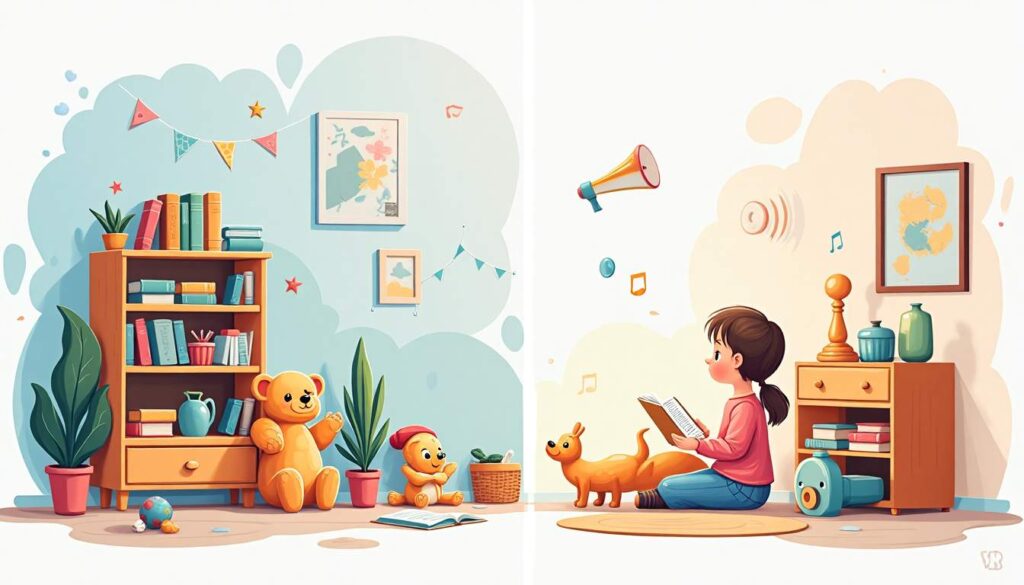
For visual learners, incorporating colorful and engaging materials can make a difference. Consider introducing books with bright illustrations, educational toys that involve colors and shapes, and interactive videos that capture their attention. Activities such as drawing, coloring, and crafting can also foster their visual skills.
Additionally, using visual aids like charts, flashcards, and picture schedules can help reinforce learning concepts. Creating a visually stimulating environment with posters, artwork, and sensory materials can further enhance their experience.
Activities for Auditory Learners
To support auditory learners, focus on incorporating sounds and language into their daily activities. Singing songs, reading aloud, and engaging in conversations can help stimulate their auditory senses. Consider using musical toys or instruments to encourage exploration of sounds.
Storytelling is another excellent way to engage auditory learners. Use different tones and voices to bring stories to life, making the experience more interactive. Rhymes and chants can also be effective tools for reinforcing language skills.
Creating a Balanced Learning Environment
While it’s essential to cater to your baby’s primary learning style, creating a balanced environment that incorporates both visual and auditory elements can be beneficial. This approach allows for a more holistic development, as children often benefit from a variety of stimuli.
For instance, combining visual aids with verbal instructions can enhance understanding. Engaging in activities that involve both sight and sound, such as watching educational videos followed by discussions, can create a well-rounded learning experience.
Conclusion
Understanding whether your baby is a visual or auditory learner can significantly impact their developmental journey. By recognizing the signs and characteristics associated with each learning style, parents can create tailored experiences that foster growth and curiosity.
Supporting your child’s unique learning style not only enhances their educational experiences but also builds their confidence and enthusiasm for learning. By providing a nurturing environment filled with the right resources and activities, parents can help their children thrive in their own unique ways.
Ultimately, every child is different, and their learning preferences may evolve over time. Staying attuned to their needs and adapting to their changing interests will ensure they receive the best support possible as they grow and learn.