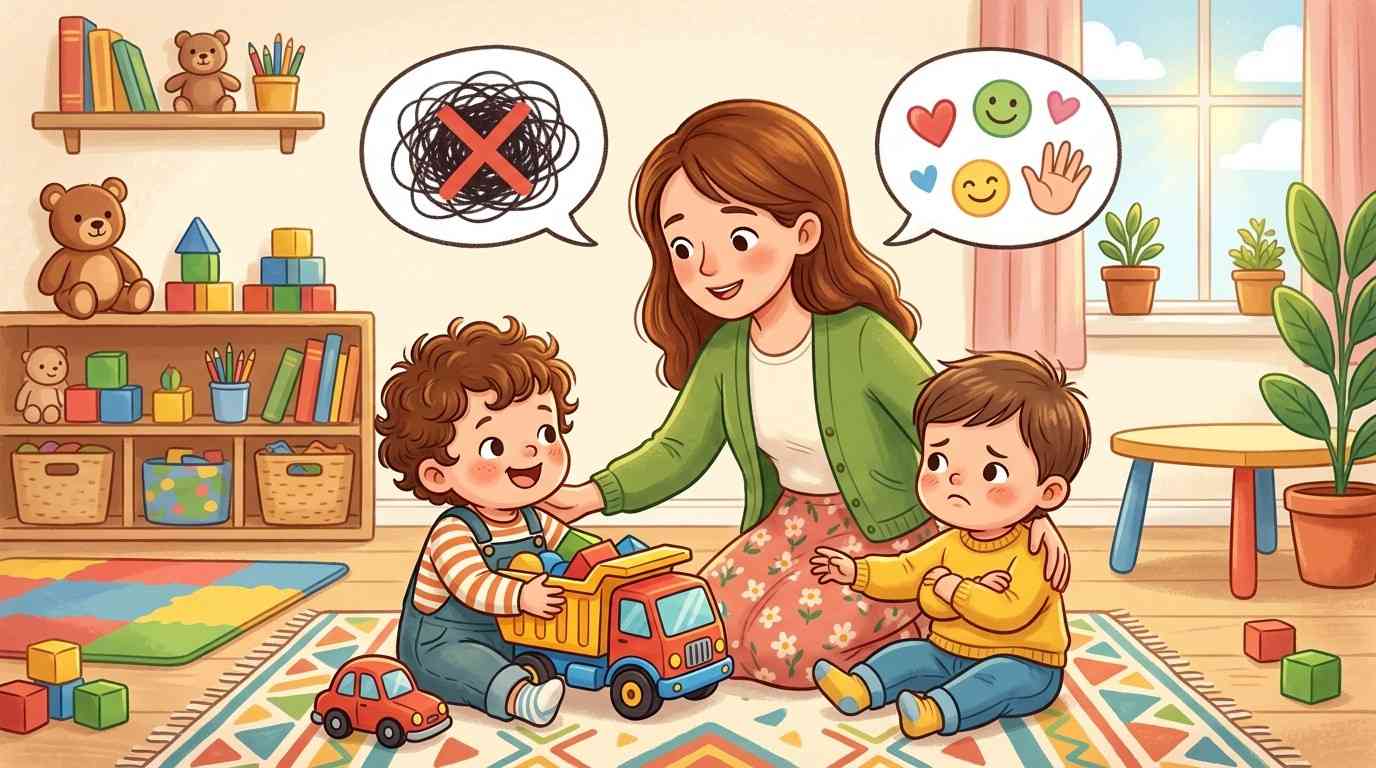
In today’s fast-paced world, parents often feel the urge to step in and manage every aspect of their child’s social life. The desire to protect children from hurt or rejection can lead to “helicopter parenting,” where parents hover excessively over their kids’ friendships and social interactions. However, fostering genuine friendships is a vital part of childhood development, and children need space to learn social skills independently. This article explores how parents can support their children in building meaningful friendships without micromanaging or overstepping boundaries.
Understanding the Importance of Childhood Friendships
Friendships during childhood are more than just playdates and shared toys. They are fundamental to emotional and social development. According to the American Academy of Pediatrics, children who develop strong peer relationships tend to have better emotional regulation, higher self-esteem, and improved academic performance. These early connections provide a safe space for children to explore their identities and learn about themselves in relation to others, fostering a sense of belonging that is crucial during formative years.

Moreover, friendships teach children essential life skills such as empathy, cooperation, conflict resolution, and communication. These skills lay the groundwork for healthy relationships in adulthood. When parents intervene too much, children might miss out on these critical learning experiences. Engaging with peers allows children to practice sharing, taking turns, and understanding different perspectives, which are vital components of emotional intelligence. As they navigate the ups and downs of friendship, they also learn resilience and the importance of forgiveness, which are invaluable traits as they grow older.
The Risks of Helicopter Parenting in Social Development
Helicopter parenting, characterized by excessive involvement and control, can inadvertently hinder a child’s ability to form friendships independently. Research published in the Journal of Child and Family Studies found that children with overinvolved parents often experience increased anxiety and lower social competence. When parents constantly mediate social situations, children may struggle to develop problem-solving skills and confidence in their interactions. This lack of autonomy can lead to a cycle of dependency, where the child feels incapable of handling social situations without parental guidance.
For example, a parent who always arranges playdates or steps in to resolve minor disputes may prevent their child from learning how to navigate social challenges on their own. This can lead to dependence on parental intervention and difficulty forming lasting friendships. Additionally, children may miss out on the joy of spontaneous play and the organic development of relationships that come from shared experiences. As they grow, they might find themselves ill-equipped to handle the complexities of adult relationships, which often require negotiation, compromise, and the ability to manage conflicts without parental support. The long-term implications of such parenting styles can manifest in various ways, affecting not only social interactions but also personal and professional relationships later in life.
Creating a Supportive Environment for Social Growth
Parents can play a crucial role in nurturing their child’s social skills by creating an environment that encourages independence and confidence. Here are some strategies to foster social growth without hovering.

Encourage Play and Group Activities
Play is the natural language of childhood and a primary way children bond with peers. Encourage your child to participate in group activities such as sports teams, art classes, or community clubs. These settings provide structured opportunities for interaction and help children meet peers with similar interests.
It’s important to let your child take the lead in choosing activities they enjoy. When children feel passionate about what they’re doing, they’re more likely to engage socially and form authentic connections. Additionally, consider arranging playdates or small gatherings where your child can invite friends over. These informal settings can ease social pressure and allow friendships to blossom in a comfortable environment, fostering deeper connections.
Model Positive Social Behavior
Children learn a great deal by observing their parents. Demonstrating kindness, active listening, and respectful communication in your own relationships sets a powerful example. Share stories about your friendships and how you handle conflicts or misunderstandings. This not only provides practical examples but also normalizes the ups and downs of relationships, making them feel more manageable for your child.
Additionally, encourage your child to express their feelings and thoughts openly. Validating their emotions helps build emotional intelligence, which is key to forming strong friendships. You might also introduce them to books or media that highlight diverse social interactions, allowing them to see various perspectives on friendship and conflict resolution. This can spark meaningful conversations and help them understand that everyone experiences similar challenges.
Teach Problem-Solving and Conflict Resolution Skills
Friendships inevitably involve disagreements. Instead of stepping in immediately, guide your child through the process of resolving conflicts. Ask questions like, “How do you think you can solve this?” or “What would you like to say to your friend?” This approach empowers children to handle social challenges independently. Moreover, discussing hypothetical situations can also be beneficial; by exploring various outcomes together, children can learn to anticipate reactions and think critically about their choices.
Role-playing common scenarios at home can also prepare children for real-life interactions. Practicing phrases like “I feel upset when…” or “Can we try to play together?” equips them with tools to communicate effectively. Furthermore, consider creating a “feelings chart” that helps children identify and articulate their emotions. This visual aid can be a fun and interactive way for them to express themselves and understand the feelings of others, enhancing their empathy and social awareness.
Balancing Guidance and Independence
Finding the right balance between supporting your child and giving them space to grow is essential. Here are ways to strike that balance thoughtfully.
Set Boundaries Without Over-Control
Clear boundaries provide children with a sense of security, but they should not be so restrictive that they limit social exploration. For example, setting reasonable limits on screen time or curfews is important, but avoid micromanaging every interaction or friendship choice.
Encourage your child to make decisions about whom they want to spend time with and how they want to engage socially. When parents respect these choices, children feel trusted and more confident.
Stay Informed Without Intruding
It’s natural to want to know about your child’s friendships, but avoid prying or interrogating. Instead, create open lines of communication by asking open-ended questions like, “What did you and your friends do today?” or “Who did you enjoy playing with?” This invites conversation without pressure.
If your child shares concerns about friendships, listen attentively and offer support without immediately jumping in to solve the problem. Sometimes, simply being heard is enough to help children navigate social difficulties.
Encourage Diverse Social Experiences
Exposure to diverse social settings helps children develop adaptability and broaden their understanding of others. Encourage your child to interact with peers from different backgrounds, ages, and interests. This diversity enriches their social skills and fosters empathy.
Community events, neighborhood gatherings, and family friends can all provide opportunities for varied social experiences. Supporting your child’s curiosity and openness to new friendships is a valuable gift.
Recognizing When to Step In
While it’s important to avoid helicoptering, there are times when parental intervention is necessary. Knowing when and how to step in can protect your child’s well-being without undermining their independence.
Identifying Signs of Bullying or Social Isolation
If your child shows signs of distress, such as reluctance to go to school, frequent complaints of stomachaches, or sudden changes in mood, it may indicate social difficulties like bullying or isolation. In these cases, timely parental involvement is crucial.
Approach the situation with empathy and gather information gently. Collaborate with teachers, counselors, or other parents if needed to address the issue effectively.
Supporting Children with Social Anxiety or Special Needs
Some children face additional challenges in making friends due to social anxiety, shyness, or developmental differences such as autism spectrum disorder. In these cases, parents may need to provide extra guidance and support, including seeking professional help if appropriate.
Encouraging small, manageable social interactions and celebrating progress can boost confidence. Remember that every child’s social journey is unique and patience is key.
Maintaining a Supportive Presence
Even when stepping back, parents remain an essential source of support. Let your child know you are always there to listen and help if needed. This reassurance provides a safety net that encourages children to take social risks and grow.
Practical Tips for Parents to Avoid Helicoptering
Implementing intentional strategies can help parents resist the urge to hover while still supporting their child’s social development.
1. Reflect on Your Own Fears and Expectations
Understanding why you feel compelled to intervene can help you adjust your approach. Are you worried about your child being lonely? Afraid they’ll be rejected? Recognizing these feelings allows you to manage them constructively.
2. Foster Problem-Solving Skills at Home
Encourage your child to think through social situations and possible solutions. Praise their efforts to handle challenges independently, reinforcing their confidence.
3. Limit Social Media Monitoring
While it’s important to be aware of your child’s online interactions, excessive monitoring can erode trust. Set clear guidelines about internet use and discuss online safety openly instead of spying or controlling every interaction.
4. Encourage Self-Advocacy
Teach your child to express their needs and boundaries clearly. This skill is invaluable for maintaining healthy friendships and navigating social complexities.
5. Celebrate Social Successes, Big and Small
Recognize and praise your child’s social achievements, whether it’s making a new friend, resolving a conflict, or simply joining a group activity. Positive reinforcement motivates continued growth.
Conclusion: Empowering Your Child for Lifelong Friendships
Helping your child build friendships without helicoptering is a delicate balance of support and independence. By understanding the importance of childhood friendships, creating a nurturing environment, and knowing when to step in, parents can guide their children toward meaningful social connections.
Allowing children to navigate friendships on their own, with gentle guidance, fosters resilience, confidence, and social competence. These qualities not only enrich their childhood but also set the stage for healthy relationships throughout life.