Cold sores, often dismissed as a minor inconvenience for adults, can pose a significant risk to babies and young children. Understanding the nature of this virus and its potential impact on infants is crucial for every parent. This article delves into the realities of cold sores, their transmission, symptoms, and preventive measures to safeguard your little ones.
What Are Cold Sores?
Cold sores, also known as fever blisters, are small, fluid-filled blisters that typically appear on or around the lips. They are caused by the herpes simplex virus (HSV), predominantly HSV-1, although HSV-2 can also be responsible. This virus is highly contagious and can be easily transmitted through direct contact. Cold sores can be particularly distressing not only due to their appearance but also because they can cause discomfort and pain, impacting daily activities such as eating and speaking. Understanding the nature of cold sores can help individuals manage outbreaks more effectively and reduce the risk of transmission to others.
How Cold Sores Develop
Once a person is infected with HSV, the virus remains dormant in the body and can reactivate due to various triggers such as stress, illness, or exposure to sunlight. The initial outbreak may be more severe, often accompanied by flu-like symptoms, but subsequent outbreaks tend to be milder. The reactivation of the virus can occur at any time, and for some individuals, these outbreaks may be frequent, while others may experience them only occasionally. Factors such as hormonal changes, fatigue, and even certain foods can also play a role in triggering an outbreak, making it essential for those prone to cold sores to identify and manage their triggers effectively.
Common Symptoms of Cold Sores
Symptoms of a cold sore typically include tingling or itching around the lips, followed by the appearance of small blisters. These blisters eventually burst, forming crusts that heal over time. While adults may experience discomfort, babies may react differently, making it essential for parents to be vigilant. In infants, the virus can lead to more severe complications, including fever and irritability, which may warrant medical attention. Additionally, cold sores can sometimes be accompanied by swollen lymph nodes and a sore throat, further complicating the experience for those affected. Recognizing these symptoms early can aid in prompt treatment, potentially shortening the duration of an outbreak and alleviating discomfort.
Why Are Babies at Risk?
Infants, particularly those under six months old, are at a heightened risk for severe complications from cold sores. Their immune systems are still developing, making them more susceptible to infections. Understanding how cold sores can affect babies is vital for any parent. This vulnerability is compounded by the fact that infants have not yet had the opportunity to build up their own immunity through exposure to various pathogens, which makes them particularly reliant on the antibodies they receive from their mothers, either in utero or through breastfeeding.
Transmission of the Virus
The herpes simplex virus is primarily transmitted through direct skin-to-skin contact. This means that a simple kiss from a well-meaning relative or friend who has an active cold sore can potentially infect a baby. Additionally, sharing utensils, towels, or toys can also lead to transmission. It’s important to note that the virus can be shed even when no visible sores are present, making it crucial for caregivers to practice good hygiene. Washing hands frequently and avoiding close contact when a cold sore is present can significantly reduce the risk of transmission to an infant.
Potential Complications for Infants
While many adults may experience mild symptoms, the situation can be drastically different for infants. A baby infected with HSV can develop a condition known as neonatal herpes, which can lead to severe complications, including brain damage or even death. Symptoms in infants may include irritability, poor feeding, and fever. In some cases, the virus can spread rapidly throughout the body, affecting vital organs such as the liver and lungs. Early recognition of symptoms is critical, as prompt medical intervention can greatly improve outcomes. Parents should be vigilant for any signs of distress in their infants and seek medical advice if they suspect exposure to the virus, as timely treatment can be life-saving.
Recognizing the Signs in Babies
Detecting cold sores in babies can be challenging, especially since they cannot communicate their discomfort. Parents should be aware of the signs and symptoms that may indicate an infection. Understanding these signs is crucial, as infants are particularly vulnerable to complications from viral infections, including those caused by the herpes simplex virus. Being vigilant and informed can help parents take timely action to protect their little ones.
Behavioral Changes
One of the first signs of a cold sore infection in a baby is often a change in behavior. They may become unusually fussy, refuse to eat, or display signs of lethargy. These behavioral changes may be subtle but are crucial indicators of potential illness. Additionally, parents might notice that their baby is more irritable than usual, has trouble sleeping, or seems to be in discomfort when feeding. It is important to observe these changes closely, as they can serve as early warning signs that something is amiss, prompting further investigation.
Physical Symptoms
Physical symptoms may include fever, swollen lymph nodes, and lesions around the mouth or on the body. If any of these symptoms are observed, it is essential to consult a pediatrician immediately. Early detection and intervention can make a significant difference in outcomes. In some cases, the lesions may appear as small, fluid-filled blisters that can be painful for the baby. Parents should also be aware that cold sores can sometimes be accompanied by other symptoms such as irritability, drooling, or difficulty swallowing, which can further indicate that the baby is experiencing discomfort. Monitoring these physical signs closely can help in seeking timely medical advice, ensuring that the baby receives the appropriate care and support needed to recover swiftly.
Preventive Measures for Parents
Prevention is the best strategy when it comes to protecting babies from cold sores. Parents can take several proactive steps to minimize the risk of transmission.
Educating Family and Friends
One of the most effective ways to prevent the spread of the herpes virus is to educate family and friends about the risks associated with cold sores. Encourage loved ones to avoid kissing the baby or sharing items that may come into contact with their mouth if they have an active outbreak.
Practicing Good Hygiene
Maintaining good hygiene is essential in preventing the spread of the virus. Parents should wash their hands frequently, especially after touching their face or mouth. Additionally, keeping baby items, such as pacifiers and bottles, clean and sanitized can help reduce the risk of infection.
What to Do If Your Baby Shows Symptoms
If a baby exhibits symptoms of a cold sore or shows signs of illness, it is crucial to seek medical attention promptly. A pediatrician can provide guidance on the appropriate steps to take, which may include testing and treatment options.
Seeking Medical Advice
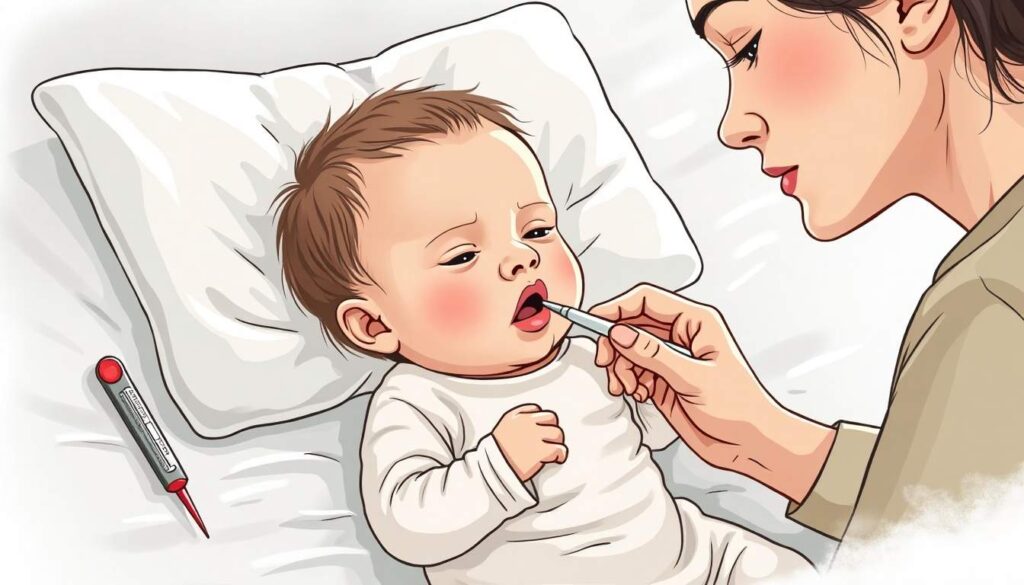
Consulting a healthcare professional is vital if there is any suspicion of a cold sore infection. They can perform tests to confirm the presence of the virus and assess the severity of the infection. Early intervention can be critical in preventing complications.
Treatment Options
Treatment for cold sores in babies may involve antiviral medications to help control the virus and alleviate symptoms. In severe cases, hospitalization may be necessary to provide supportive care. Parents should follow the pediatrician’s recommendations closely to ensure the best outcome for their child.
Understanding the Long-Term Effects
While many children recover from cold sore infections without any long-term effects, some may experience recurrent outbreaks. Understanding the potential long-term implications can help parents prepare for what lies ahead.
Recurrent Cold Sores
Once a child is infected with HSV, the virus remains in their system and can reactivate later in life. This can lead to recurrent cold sores, particularly during times of stress or illness. Parents should be aware of this possibility and know how to manage outbreaks when they occur.
Emotional and Psychological Impact
For some children, recurring cold sores can lead to feelings of self-consciousness or anxiety, especially if they occur frequently. It’s important for parents to provide emotional support and reassurance to help their child cope with these feelings.
When to Consult a Pediatrician
Knowing when to seek medical advice is crucial for parents. If there are any concerns about a baby’s health or behavior, it is always better to err on the side of caution.
Signs That Require Immediate Attention
Parents should be alert to any signs that may indicate a more serious issue, such as high fever, difficulty breathing, or unusual irritability. If a baby is exhibiting any of these symptoms, seeking immediate medical attention is essential.
Routine Check-Ups
Regular pediatric check-ups are vital for monitoring a child’s overall health and development. During these visits, parents can discuss any concerns regarding cold sores or other health issues with their pediatrician. This proactive approach can help in early detection and management of potential problems.
Conclusion: Protecting Your Baby from Cold Sores
Cold sores may seem like a minor issue for adults, but they can pose serious risks for infants. By understanding the nature of the virus, recognizing the signs of infection, and taking preventive measures, parents can significantly reduce the risk of their babies contracting HSV. Education and awareness are key in keeping little ones safe.
Ultimately, the health and well-being of a child are paramount. By fostering an environment of open communication and vigilance, parents can navigate the challenges associated with cold sores and ensure their babies remain healthy and happy.