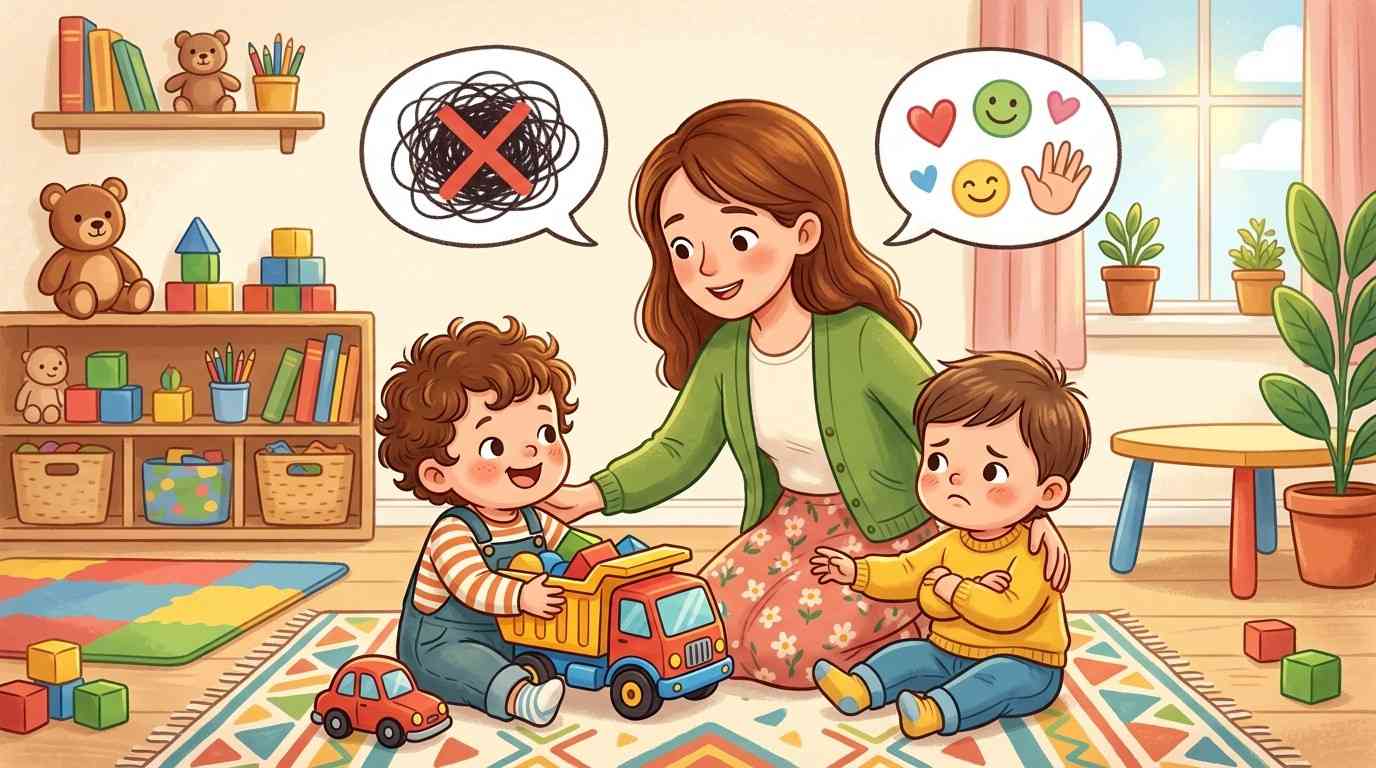
Raising toddlers can often feel like navigating a whirlwind of energy, curiosity, and emotion. Amid the chaos, one of the most effective tools parents and caregivers can use to foster a sense of security and well-being is establishing a consistent routine. Toddlers, with their rapidly developing brains and growing independence, thrive on predictability. This article explores why routines are so powerful for toddlers, backed by research and expert insights, and offers practical advice on how to create and maintain routines that support healthy development.
Understanding the Toddler Brain: Why Predictability Matters
The Science Behind Routine and Brain Development
During the toddler years, typically between ages 1 and 3, the brain undergoes significant growth and reorganization. Neural pathways are being formed at an astonishing rate, and the brain is highly receptive to environmental cues. Predictable routines provide a framework that helps toddlers make sense of the world around them.

Research in developmental psychology shows that consistency in daily activities reduces stress for young children. When toddlers know what to expect, their brains can focus more on learning and exploration rather than on managing anxiety caused by uncertainty. According to a study published in the *Journal of Child Psychology and Psychiatry*, children with stable routines tend to exhibit fewer behavioral problems and better emotional regulation. This is particularly important during a time when toddlers are learning to navigate their emotions and social interactions, as they are often faced with new experiences that can be both exciting and intimidating.
How Predictability Builds a Sense of Security
For toddlers, the world is still new and sometimes overwhelming. Predictable routines act as a comforting anchor, providing a sense of safety. When a child knows that after breakfast comes playtime, then a nap, and then a snack, they feel more in control of their environment. This sense of control is crucial for emotional development and helps reduce tantrums and frustration.
Moreover, routines help toddlers develop trust in their caregivers. Consistently responding to their needs at expected times—such as feeding, bathing, and bedtime—reinforces the bond between child and adult, fostering secure attachment. This emotional security lays the foundation for healthy relationships throughout life. Additionally, as toddlers engage in repetitive activities, they begin to develop important cognitive skills, such as problem-solving and memory. For instance, during playtime, a child might learn to stack blocks or fit shapes into corresponding holes, reinforcing their understanding of spatial relationships and cause-and-effect dynamics.
Furthermore, the predictability of routines can also enhance language development. When caregivers narrate daily activities—like describing the steps of getting dressed or the ingredients of a meal—toddlers are exposed to new vocabulary in a context they understand. This not only enriches their language skills but also encourages them to express their thoughts and feelings more effectively. As they learn to communicate better, they become more adept at articulating their needs, which can further reduce frustration and promote a more harmonious environment.
The Benefits of Routine for Toddlers’ Development
Enhancing Emotional Regulation
Toddlers are just beginning to learn how to manage their emotions. Without a routine, unpredictable changes can trigger anxiety and emotional outbursts. A consistent schedule helps toddlers anticipate what comes next, reducing feelings of uncertainty and frustration.

For example, a toddler who knows that after playtime comes quiet reading time before bed is less likely to resist bedtime. This predictability supports smoother transitions and helps toddlers practice self-regulation skills in a supportive environment. Additionally, routines can foster a sense of security, as toddlers begin to understand that their needs will be met consistently. This sense of security can lead to increased confidence, allowing them to explore their surroundings and engage with peers more freely. When toddlers feel safe, they are more willing to express their emotions and seek comfort when needed, laying the groundwork for healthy relationships in the future.
Supporting Cognitive Growth and Learning
Routines also create an ideal environment for cognitive development. When toddlers have regular times for activities such as play, meals, and rest, their brains can better focus on learning new skills. Structured routines encourage repetition, which is essential for mastering language, motor skills, and problem-solving.
For instance, a consistent morning routine that includes reading a story or singing songs can significantly boost language acquisition. The repetition and predictability help toddlers internalize vocabulary and concepts more effectively. Furthermore, engaging in activities like counting toys during cleanup or sorting colors during playtime can enhance their cognitive abilities. These small, routine-based interactions not only reinforce learning but also promote critical thinking skills as toddlers begin to make connections between different concepts. As they engage in these familiar tasks, they develop a sense of accomplishment that encourages further exploration and curiosity.
Promoting Healthy Sleep Patterns
Sleep is critical for toddler development, impacting everything from memory consolidation to physical growth. Predictable bedtime routines signal to toddlers that it’s time to wind down, making it easier for them to fall asleep and stay asleep.
The National Sleep Foundation recommends that toddlers have a consistent bedtime and calming pre-sleep activities such as bathing, reading, or quiet play. These routines help regulate the body’s internal clock, leading to better quality sleep and improved mood during the day. Moreover, incorporating soothing activities like gentle massage or soft music can enhance relaxation, making the transition to sleep even smoother. Parents can also use this time to bond with their toddlers, creating a nurturing environment that reinforces trust and security. As toddlers experience the benefits of a good night’s sleep, they are likely to wake up refreshed and ready to engage with the world, fostering a positive cycle of learning and development throughout the day.
Creating Effective Routines: Practical Tips for Parents and Caregivers
Start with Key Daily Anchors
Begin by establishing consistent times for essential activities such as meals, naps, and bedtime. These anchors provide structure and help toddlers anticipate what’s coming next. For example, aim to have breakfast, lunch, and dinner around the same time each day, with a nap scheduled in the early afternoon.

Consistency is key, but flexibility is important too. Life happens, and some days won’t go exactly as planned. The goal is to create a predictable rhythm, not a rigid schedule.
Incorporate Transitional Activities
Transitions between activities can be challenging for toddlers. Using predictable cues can ease these changes and reduce resistance. For example, a special song or a gentle countdown can signal that playtime is ending and it’s time to clean up.
Visual schedules with pictures can also help toddlers understand the sequence of their day, especially for those who are more visual learners. These tools empower toddlers by giving them a sense of control over their routine.
Make Routines Enjoyable and Engaging
Routines don’t have to be boring or monotonous. Incorporate fun and interaction to keep toddlers engaged. For example, turn toothbrushing into a playful activity by singing a favorite song or using a colorful toothbrush.
Involving toddlers in routine tasks, such as helping set the table or choosing pajamas, fosters independence and makes routines feel like shared experiences rather than chores.
Be Patient and Consistent
Establishing a routine takes time and patience. Toddlers may resist changes initially, especially if they are used to a more spontaneous schedule. Consistency from caregivers is crucial to helping toddlers adjust.
Celebrate small successes and remain calm during setbacks. Over time, the predictability of routines will become a source of comfort and stability for both toddlers and caregivers.
Common Challenges and How to Overcome Them
Dealing with Resistance and Tantrums
Even with the best routines, toddlers will sometimes resist transitions or refuse to follow the schedule. This behavior is a normal part of asserting independence and testing boundaries.
Responding with empathy and offering choices can help. For example, instead of saying, “It’s time to stop playing,” try, “Would you like to play for five more minutes or clean up now?” Giving toddlers a sense of agency within the routine reduces power struggles.
Adjusting Routines as Toddlers Grow
Routines need to evolve as toddlers develop new skills and interests. What works for a 12-month-old may not suit a 3-year-old. Regularly assess and adjust routines to fit your child’s changing needs.
For example, as toddlers become more independent, involve them more in planning their day. This not only supports autonomy but also strengthens their understanding of time management and responsibility.
Balancing Routine with Flexibility
While routines are beneficial, it’s important to balance predictability with flexibility. Overly rigid schedules can cause stress for both toddlers and caregivers.
Allow room for spontaneous play, social interactions, and family activities outside the routine. This balance helps toddlers learn to adapt to new situations while still enjoying the comfort of a predictable daily structure.
Expert Insights and Real-Life Stories
What Pediatricians Say About Routines
Dr. Emily Harper, a pediatrician specializing in early childhood development, emphasizes the importance of routines in her practice. “Routines provide toddlers with a sense of safety and predictability that is essential for healthy emotional and cognitive growth. They help reduce anxiety and create a foundation for positive behavior,” she explains.
Dr. Harper recommends parents start with simple routines and gradually build complexity as their child grows. “Even a basic routine around mealtimes and bedtime can make a significant difference in a toddler’s mood and behavior.”
Parent Experiences: Finding Success with Routine
Many parents report that establishing routines transformed their daily lives. Sarah, mother of a 2-year-old, shares, “Before we had a routine, our days were chaotic and stressful. Once we set a consistent nap and bedtime schedule, my toddler became calmer and more cooperative. It also gave me peace of mind knowing what to expect each day.”
Another parent, James, highlights the role of routines in fostering independence: “Involving my toddler in choosing clothes and helping with simple chores during our morning routine has boosted his confidence and made mornings smoother.”
Conclusion: Embracing Routine for Thriving Toddlers
Routines are more than just schedules—they are powerful tools that nurture toddlers’ emotional security, cognitive development, and overall well-being. By providing a predictable structure, routines help toddlers feel safe, reduce stress, and build essential life skills.
While every child and family is unique, the benefits of routine are universal. With patience, flexibility, and creativity, caregivers can create routines that not only support toddlers’ growth but also enrich family life. Embracing the power of routine paves the way for toddlers to thrive in their early years and beyond.