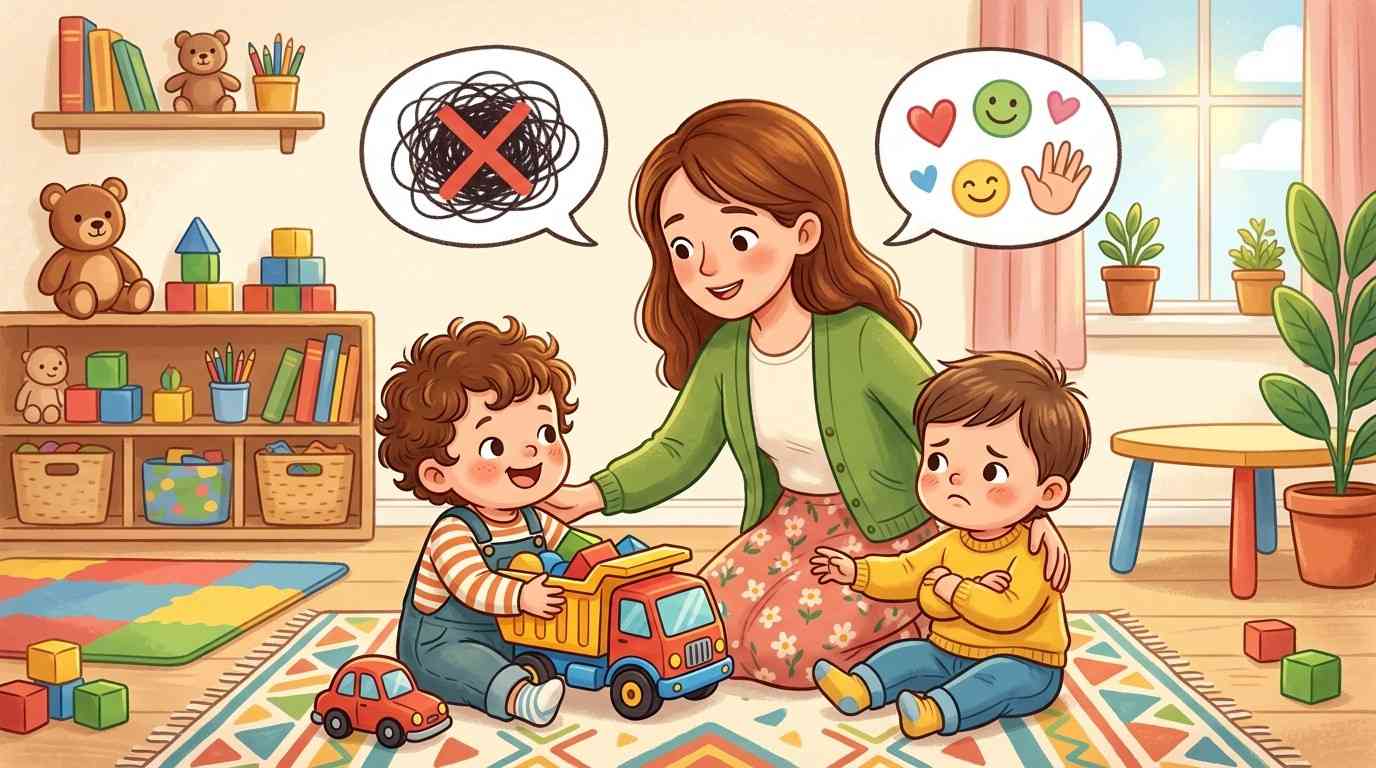
As parents, the desire to see our children thrive and learn is universal. From the moment they are born, we are constantly seeking ways to foster their development and enhance their learning capabilities. While many parents focus on traditional methods such as reading, educational toys, and structured activities, there is one often overlooked approach that can significantly boost a baby’s learning: the power of play. This article delves into how play, particularly unstructured and imaginative play, serves as a crucial catalyst for cognitive development in infants and toddlers.
The Importance of Play in Early Development
Play is not just a way for children to pass the time; it is a fundamental aspect of their growth and learning. Through play, babies explore their environment, develop motor skills, and enhance their cognitive abilities. The American Academy of Pediatrics emphasizes that play is essential for healthy brain development, as it allows children to engage in activities that stimulate their senses and promote problem-solving skills.
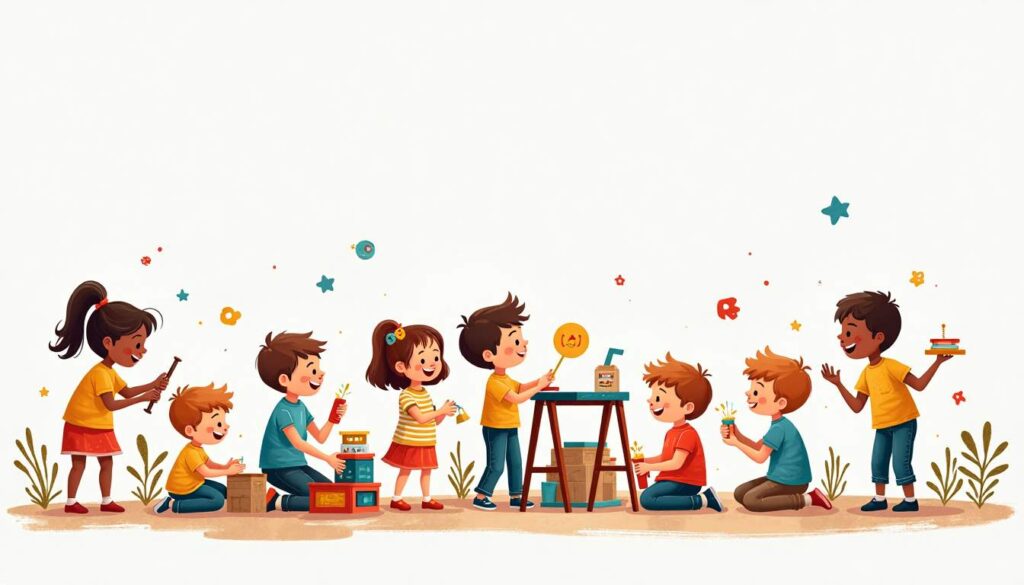
How Play Enhances Cognitive Skills
When babies engage in play, they are not merely having fun; they are also learning to think critically and creatively. For instance, when a child stacks blocks, they are experimenting with balance and gravity. This simple activity encourages spatial awareness and fine motor skills. Similarly, when toddlers engage in pretend play, they are practicing social skills and emotional regulation by mimicking real-life situations.
Moreover, play encourages curiosity. As babies explore new toys or environments, they ask questions, seek answers, and develop a sense of agency. This exploration is crucial for cognitive development, as it lays the groundwork for later learning experiences. The act of discovery during play can lead to moments of insight, where children connect dots and form concepts that are foundational for their understanding of the world around them.
The Role of Imaginative Play
Imaginative play, also known as symbolic play, takes the learning experience a step further. It allows children to use their imagination to create scenarios and roles. For example, when a child pretends to cook with a toy kitchen set, they are not only having fun but also learning about cause and effect, language skills, and social interactions.
Research shows that imaginative play is linked to higher levels of creativity and problem-solving skills later in life. By encouraging children to engage in role-playing and storytelling, parents can foster a rich environment for cognitive growth. Additionally, imaginative play often involves collaboration with peers, which helps children learn negotiation skills and the importance of teamwork. As they navigate different roles and perspectives, they also develop empathy and an understanding of social dynamics, which are essential life skills.
Furthermore, imaginative play provides a safe space for children to express their emotions and process their experiences. When they act out scenarios that may be confusing or challenging, such as going to the doctor or starting school, they can explore their feelings in a controlled environment. This not only aids emotional development but also equips them with coping strategies for real-life situations. By embracing imaginative play, caregivers can create opportunities for children to build resilience and adaptability, essential traits for navigating the complexities of life.
Creating the Right Environment for Play
To maximize the benefits of play, it is essential to create an environment that is conducive to exploration and creativity. This involves providing a variety of materials and opportunities for play while also ensuring safety. Here are some tips for creating an ideal play environment:
1. Offer Diverse Toys and Materials
Instead of relying solely on commercially produced toys, consider incorporating everyday items into playtime. Household objects such as cardboard boxes, fabric scraps, and kitchen utensils can inspire creativity and imaginative play. These materials encourage children to think outside the box and use their imagination in ways that traditional toys may not.
Additionally, choose toys that promote open-ended play. Blocks, art supplies, and building sets allow children to explore their creativity without predefined outcomes, fostering problem-solving skills and innovation.
2. Encourage Outdoor Play
Outdoor play is another essential component of a child’s learning experience. Nature offers a wealth of opportunities for exploration and discovery. Whether it’s climbing trees, digging in the dirt, or observing insects, outdoor play stimulates curiosity and physical development.
Moreover, outdoor environments can enhance sensory experiences. The sights, sounds, and textures of nature provide rich stimuli that contribute to cognitive growth. Parents are encouraged to take their children outside regularly, allowing them to engage with the natural world and learn through exploration.
3. Limit Screen Time
In today’s digital age, it can be tempting to rely on screens for entertainment. However, excessive screen time can hinder a child’s ability to engage in imaginative play. Research indicates that interactive play with caregivers is far more beneficial for cognitive development than passive screen time.
Setting boundaries around screen use encourages children to engage in more meaningful play experiences. Instead of turning to tablets or televisions, parents should prioritize hands-on activities that promote interaction and creativity.
Engaging with Your Child During Play
While providing a rich play environment is essential, active engagement from parents and caregivers can significantly enhance the learning experience. The way adults interact with children during play can shape their development and learning outcomes.

1. Be Present and Participate
Active participation in playtime can deepen the learning experience for children. When parents join in on the fun, they model behaviors and skills that children can imitate. For example, if a child is building a tower with blocks, the parent can demonstrate how to balance the blocks or introduce new concepts like colors and shapes.
Moreover, being present during play fosters a strong emotional connection between parent and child. This bond encourages children to explore and take risks, knowing they have a supportive figure by their side.
2. Ask Open-Ended Questions
Asking open-ended questions during play can stimulate critical thinking and creativity. Instead of asking questions that lead to a simple yes or no answer, parents can encourage deeper thinking by asking questions like, “What do you think will happen if we add another block?” or “How do you feel about this character in our story?”
These types of questions encourage children to articulate their thoughts, explore their ideas, and engage in meaningful conversations. This dialogue not only enhances language skills but also promotes cognitive development.
3. Allow for Independence
While engagement is important, it is equally crucial to allow children the space to explore and play independently. This autonomy fosters self-confidence and decision-making skills. Parents should resist the urge to intervene too quickly or direct play, allowing children to navigate their own play experiences.
By stepping back and observing, parents can provide children with the opportunity to solve problems and learn from their mistakes. This balance of guidance and independence is key to fostering a child’s learning journey.
The Long-Term Benefits of Play-Based Learning
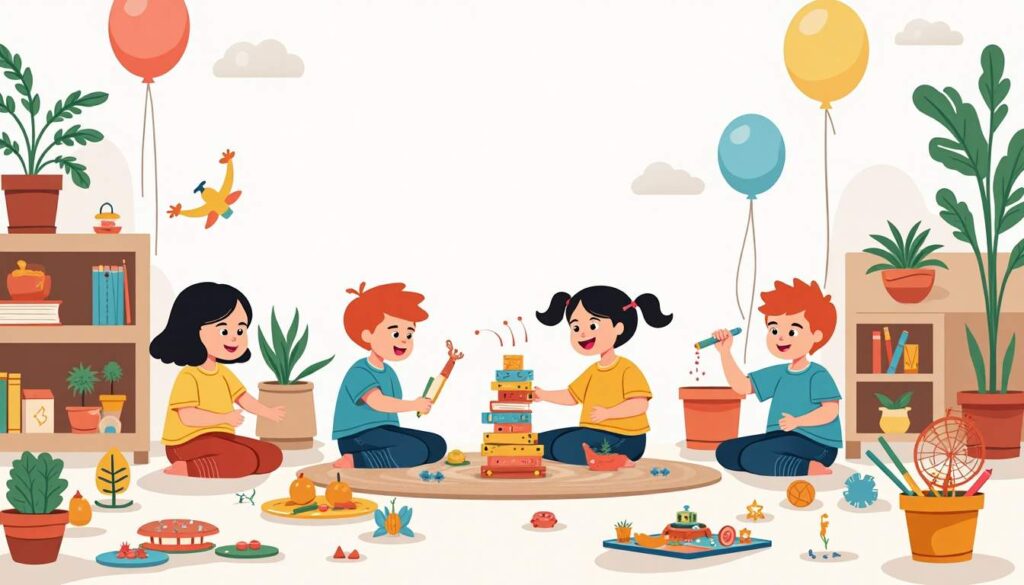
Emphasizing play as a primary mode of learning during early childhood can lead to significant long-term benefits. Research has shown that children who engage in play-based learning tend to excel academically and socially as they grow older.
1. Enhanced Academic Performance
Children who learn through play often develop a love for learning that translates into better academic performance. The skills acquired during play—such as critical thinking, creativity, and problem-solving—are directly applicable to formal education settings.
Moreover, play-based learning encourages a growth mindset. Children learn to view challenges as opportunities for growth, fostering resilience and a positive attitude toward learning. This mindset can lead to greater academic success in the long run.
2. Improved Social Skills
Play is inherently social, and children who engage in play with peers develop essential social skills. They learn to negotiate, share, and collaborate—skills that are crucial for success in school and later in life. Through play, children navigate social dynamics and learn to empathize with others, laying the groundwork for healthy relationships.
Additionally, imaginative play often involves role-playing scenarios that help children understand different perspectives and emotions. This ability to empathize is a vital component of emotional intelligence, which is increasingly recognized as a key factor in personal and professional success.
3. Lifelong Learning Attitude
Encouraging a play-based approach to learning instills a lifelong love for exploration and discovery. Children who grow up valuing play as a learning tool are more likely to seek out new experiences and knowledge throughout their lives. This curiosity can lead to a greater appreciation for learning and personal growth.
As they transition into adulthood, these individuals are often more adaptable and open to change, traits that are invaluable in today’s rapidly evolving world.
Conclusion: Embracing the Power of Play
In conclusion, the most overlooked way to help babies learn faster is through the power of play. By creating an environment that encourages exploration, engaging actively with children during play, and recognizing the long-term benefits of play-based learning, parents can significantly enhance their child’s cognitive, social, and emotional development.
As children grow, the skills they acquire through play will serve as a strong foundation for their future learning endeavors. By prioritizing play as a vital component of early childhood education, parents can help their children thrive and develop a lifelong passion for learning.
Ultimately, embracing the power of play is not just about fostering immediate learning outcomes; it is about nurturing well-rounded individuals who are equipped to navigate the complexities of life with confidence and creativity.