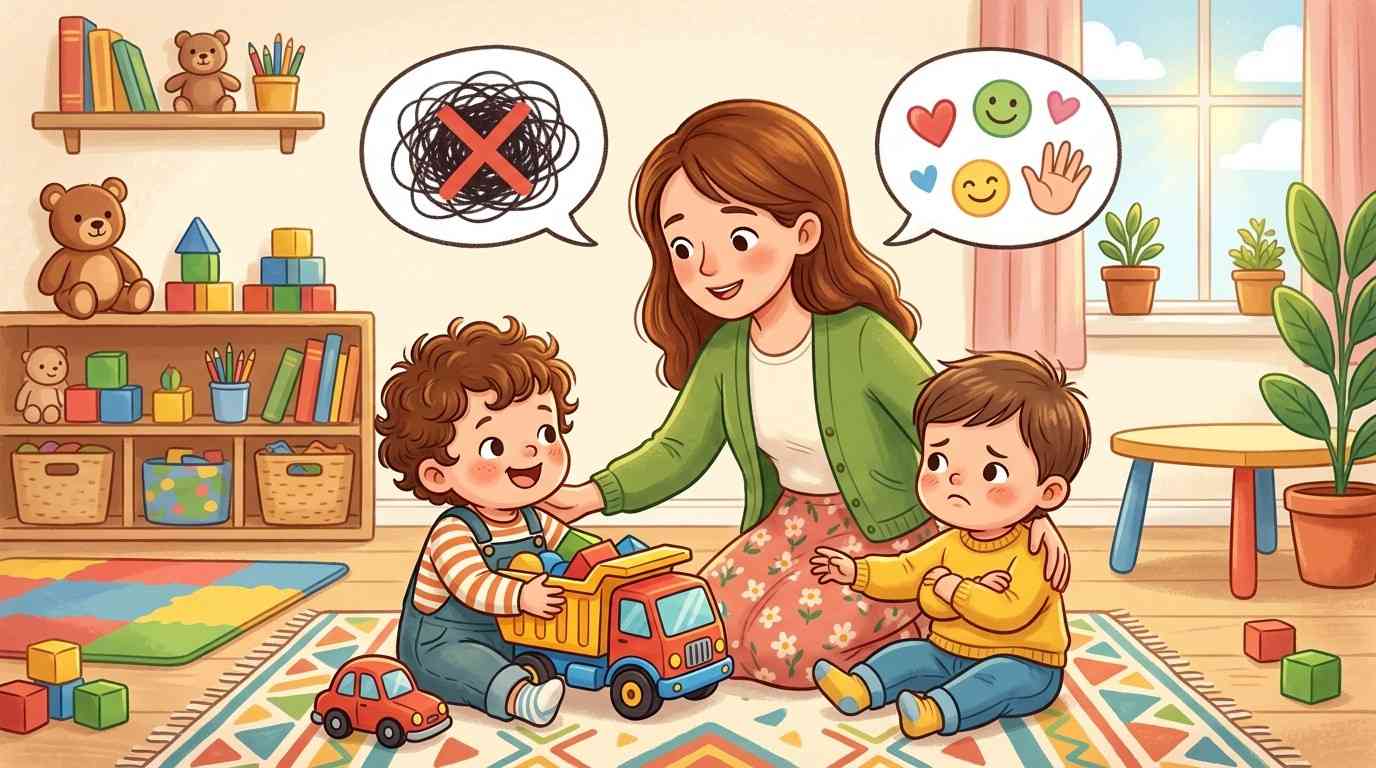
Boredom is often treated as a problem to be fixed — a child handed a device, an activity, or a schedule designed to eliminate empty moments. Yet boredom carries important developmental value. When kids experience downtime without an agenda, they learn to self-regulate, imagine, and create. Understanding why unstructured time matters helps parents, educators, and caregivers support healthier cognitive and emotional growth.
What boredom really is
Boredom is not a character flaw or a sign of laziness; it is a mental state prompted by a lack of engaging stimuli or meaningful challenge. It can be a fleeting annoyance or a productive pause. The sensation nudges attention inward, prompting reflection, problem-solving, or imaginative rehearsal. Without it, the brain would have fewer opportunities to make novel connections between ideas.
Scientists distinguish between different kinds of boredom: apathetic boredom (low energy and disengagement), agitated boredom (restlessness and frustration), and indifferent boredom (detached calm). Each type signals different needs – rest, stimulation, or redirection. Recognizing these distinctions helps caregivers respond appropriately rather than rushing to fill silence with the nearest screen or scheduled activity.
Boredom often encourages creativity by creating a mental gap that the brain is eager to fill. This gap can lead people to invent new games, stories, or solutions to problems that initially seemed mundane. In this sense, boredom acts as a catalyst for innovation, pushing individuals to seek out novel experiences or develop new interests. Rather than viewing boredom purely as a negative state, it can be appreciated as a valuable pause that encourages growth and exploration.
Moreover, boredom has social and emotional dimensions. When experienced in groups, it can foster bonding through shared attempts to alleviate the unease, prompting cooperative play or conversation. On an individual level, learning to tolerate boredom can build resilience and improve focus, helping people sustain attention during tasks that require patience or repetitive effort. Embracing boredom as a natural and sometimes beneficial experience can transform how we interact with ourselves and the world around us.
How unstructured time fosters creativity
Creativity thrives in the gaps between structured activities. Unstructured time gives children the freedom to tinker, experiment, and follow curious impulses without immediate evaluation or direction. Free play, constructed from seemingly aimless actions, builds narrative skills, symbolic thinking, and the ability to combine disparate ideas into something novel.
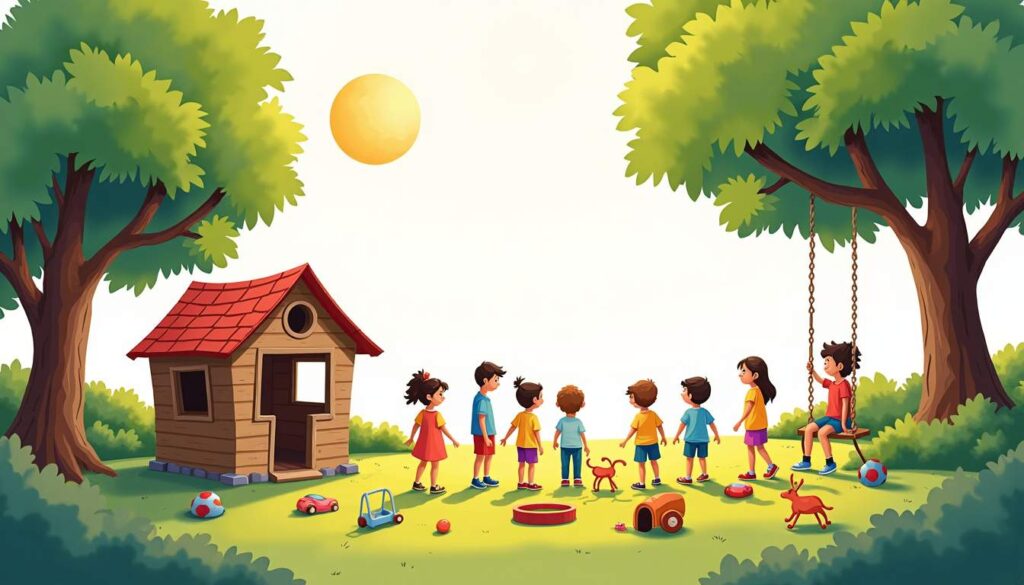
Many examples of inventive play demonstrate the importance of loose frameworks. A cardboard box can become a spaceship, a puppet theater, or a secret fort depending on the child’s intent. Those transformations occur because the child controls the scenario and decides the meaning. This creative ownership fosters confidence and an internal sense of agency that is harder to cultivate in tightly supervised, highly planned environments.
Beyond childhood, unstructured time continues to be a vital ingredient for creative breakthroughs. Adults stepping away from rigid schedules and allowing their minds to wander often find that problem-solving emerges organically. This mental downtime enables incubation, a phase where ideas incubate below the level of conscious awareness, resulting in unexpected connections and innovations. Even renowned thinkers and artists frequently report that their best ideas arise in moments of idle reflection, free from the pressure of immediate results.
In educational settings, incorporating unstructured periods encourages exploratory learning and resilience. Students who have moments to explore interests or engage in open-ended projects tend to develop a stronger intrinsic motivation to learn. This autonomy nurtures curiosity, making them more likely to experiment with new approaches and persist through challenges—skills essential for creative thinking in any discipline.
Imagination as a muscle
Imagination requires practice like any other skill. Without regular opportunities to self-direct and invent, the imagination atrophies. Boredom prompts a search for engagement that often manifests as pretend play, storytelling, or the construction of elaborate internal worlds. These mental exercises strengthen cognitive flexibility—the capacity to shift perspectives, consider alternatives, and generate multiple solutions to a problem.
Emotional benefits of downtime
Unstructured time supports emotional regulation. When a child encounters boredom and sits with it, feelings of restlessness or disappointment can be processed rather than instantly mitigated. Learning to tolerate low-level discomfort without external fixes builds resilience and reduces reliance on external stimuli to manage emotional states.
Moreover, boredom can catalyze self-reflection. In quiet moments, children may consider their likes and dislikes, test limits, and rehearse social roles. That internal exploration contributes to forming a coherent sense of self. A child who learns to be comfortable alone or idle is less likely to seek constant validation or distraction from peers or devices.
Reducing anxiety and overstimulation
Modern life often inundates children with sensory input and performance expectations. Constant schedules and digital entertainment can overwhelm the nervous system. Regular unstructured pockets of time act as a reset, allowing the brain to downshift. This quiet can lower baseline arousal, making it easier to concentrate later and reducing chronic stress.
Social development through free play
When children engage in unstructured play together, they negotiate rules, manage conflicts, and practice empathy without adult scripting. These interactions teach perspective-taking and cooperative problem-solving in a natural context. The ability to resolve disputes, compromise on game rules, and include others develops through practice in open-ended social scenarios.

Structured group activities have value, but they often come with explicit goals and adult-imposed rules. Free play puts the responsibility for rule-making and enforcement on the children themselves. That responsibility cultivates leadership skills, sense of fairness, and an ability to navigate complex social dynamics.
Learning to lead and follow
Unstructured settings allow children to alternate between leading and following roles. Sometimes a child invents the narrative; sometimes they adopt someone else’s. These role shifts teach negotiation, patience, and adaptability—key competencies for collaboration in later life.
Academic and cognitive advantages
Contrary to the belief that constant academic drilling produces better outcomes, research suggests that breaks and unstructured time can improve attention and learning. Downtime enables the mind to consolidate information and engage in incubation—the process by which a solution to a problem emerges after a period of rest. Creative insight often arrives during or after moments of apparent idleness.
Allowing children to wander intellectually and physically supports executive function development. Planning a pretend scenario, organizing materials for an impromptu project, or deciding how to spend unstructured time requires working memory, inhibition, and cognitive flexibility. These executive skills are foundational for academic success and life’s complex tasks.
Practical ways to encourage healthy boredom
Creating opportunities for unstructured time requires intentional choices. Start by scheduling small windows free of planned activities—ten to thirty minutes for younger children, longer for older kids. Resist the urge to fill every gap with a screen or organized class. Boredom becomes more tolerable with predictable, recurring free periods on the daily or weekly calendar.
Remove the constant presence of enticing distractions. Screens are powerful attention magnets; when a tablet or smartphone is always available, children may default to passive consumption instead of inventing their own entertainment. Designating device-free times and spaces helps the impulse to create emerge.
Provide simple, open-ended materials
Stocking a shelf with basic, versatile items—paper, crayons, tape, recycled cartons, plain blocks, string—invites invention. Open-ended materials do not dictate use. Instead, they suggest possibility. A pile of sticks can become a miniature fence, a set of dominoes, or a scientific probe depending on the child’s curiosity.
Model tolerance for boredom
Adults set the emotional tone. Demonstrating comfort with quiet moments—reading a book, sitting outside, or engaging in a slow hobby—signals that unstructured time is normal and acceptable. Avoid reflexively rescuing a bored child; instead, offer a quiet prompt if needed, such as “You could draw, build something with blocks, or make up a game.” Brief suggestions can break the inertia without taking over.
When boredom becomes a problem
Not all boredom is healthy. Chronic, intense boredom paired with apathy and withdrawal can signal underlying issues such as depression, attention difficulties, or social isolation. Meanwhile, boredom that consistently leads to risky behavior or aggression requires attention. Context matters: short-lived, productive boredom is a developmental asset; prolonged, corrosive boredom warrants evaluation and support.
Watch for patterns. If a child cannot engage even with open-ended materials, seems persistently lethargic, or expresses hopelessness, professional guidance from a pediatrician, psychologist, or school counselor may be helpful. Distinguishing normal developmental boredom from a symptom of distress prevents both overreaction and neglect.
Balancing structure and freedom
Striking the right balance between structured activities and unstructured time is key. Structure supports skill acquisition, safety, and routines, while freedom cultivates creativity, autonomy, and emotional resilience. Rather than viewing these as opposites, consider them complementary. A well-rounded childhood includes both the scaffolding of planned lessons and the fertile ground of unscheduled hours.
Families and schools can design rhythms that alternate focused learning with periods for free play and reflection. Recess, art choice time, and weekend afternoons without planned commitments are examples of healthy integration. The goal is not chaos but intentional space—moments designed for nothing in particular, yet rich in potential for growth.
Conclusion: Revaluing boredom
Boredom deserves a place in the developmental toolkit. It acts as a quiet teacher, prompting creativity, emotional growth, social skills, and cognitive flexibility. When given permission to be bored, children often invent worlds, practice leadership, and learn to tolerate the small discomforts that build resilience.
Reimagining downtime not as wasted minutes but as fertile soil shifts how adults plan childhood. Intentional unstructured time, combined with supportive boundaries and simple materials, cultivates a capacity for independent thought and imaginative play. Rather than rushing to fill every silence, allowing space for boredom can be one of the most generous gifts a caregiver provides.