Understanding Toddler Emotions
Emotional growth is a crucial aspect of a toddler’s development. During these formative years, children begin to experience a wide range of feelings, from joy and excitement to frustration and sadness. Understanding how to navigate these emotions is essential for both parents and toddlers alike.
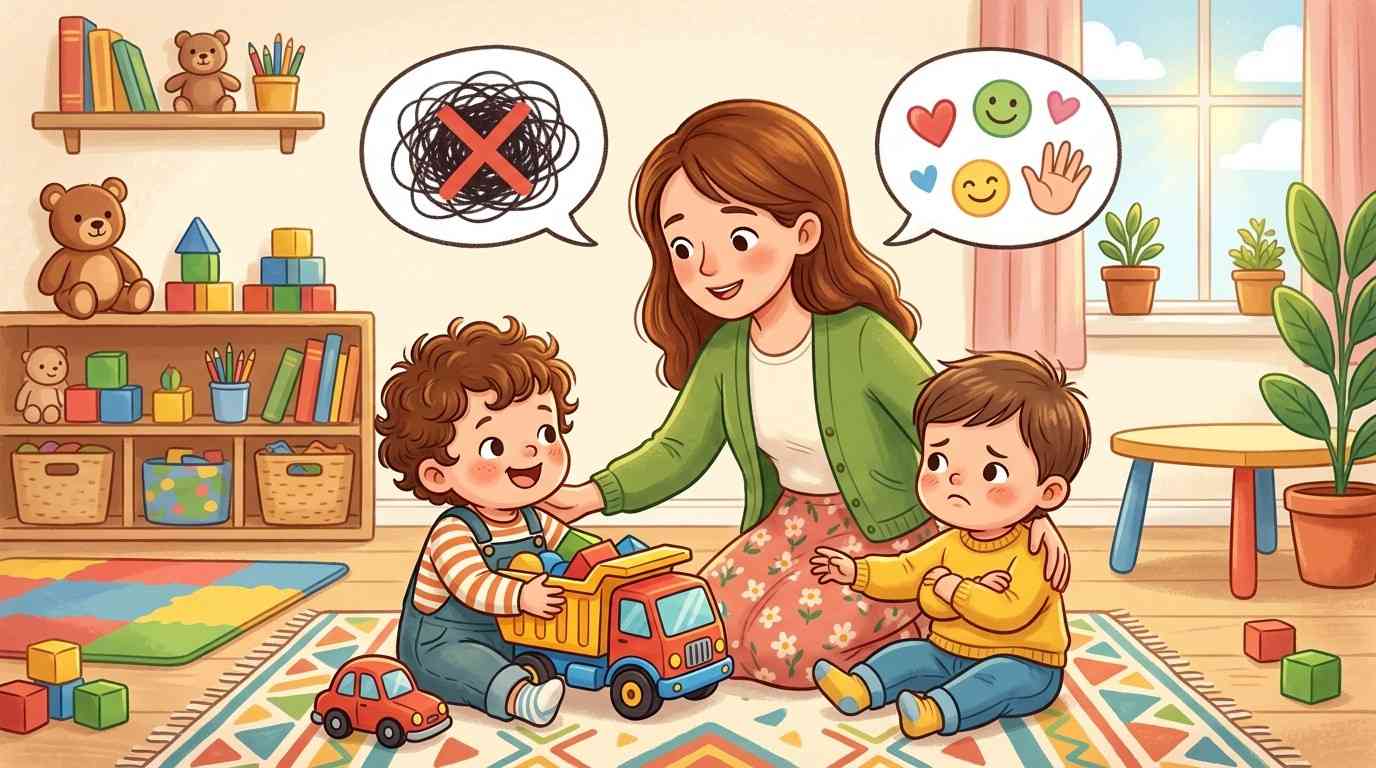
At this age, toddlers are not only learning to express their emotions but also to recognize them in others. They may not yet have the vocabulary to articulate what they feel, leading to tantrums and meltdowns. Recognizing this developmental stage can help parents respond more effectively and supportively. For instance, when a toddler throws a tantrum, it can be beneficial for parents to validate their child’s feelings, saying things like, “I can see you’re really upset,” which helps the child feel understood and supported.
The Importance of Emotional Intelligence
Emotional intelligence refers to the ability to understand and manage one’s own emotions while also recognizing and influencing the emotions of others. For toddlers, developing this skill is vital as it lays the foundation for future social interactions and relationships.
Children who grow up with strong emotional intelligence tend to have better relationships with peers, improved academic performance, and greater resilience in the face of challenges. Thus, fostering emotional growth during the toddler years can have lasting benefits. Engaging in activities that promote empathy, such as reading stories about feelings or playing games that require taking turns, can enhance a toddler’s ability to understand and relate to the emotions of others. Additionally, parents can model emotional intelligence by openly discussing their own feelings and demonstrating healthy coping strategies, which can serve as a powerful example for their children.
The One Parenting Hack: Emotion Coaching
Among various strategies to support a toddler’s emotional growth, one stands out as particularly effective: emotion coaching. This technique involves guiding children through their emotional experiences, helping them to understand and express their feelings in a healthy way.
Emotion coaching is not merely about comforting a child during a difficult moment; it’s about teaching them to recognize their emotions, understand the reasons behind them, and find appropriate ways to express them. This approach can significantly enhance a toddler’s emotional intelligence over time.
What is Emotion Coaching?
Emotion coaching consists of five key steps: recognizing the child’s emotions, validating those feelings, labeling the emotions, helping the child problem-solve, and providing guidance on how to express emotions appropriately. Each step plays a critical role in fostering emotional growth.
The first step is recognizing the child’s emotions. This involves observing their behavior and identifying signs of distress or happiness. Once the emotion is recognized, the next step is to validate those feelings, letting the child know that it’s okay to feel what they are feeling. This validation is crucial as it reassures the child that their emotions are legitimate.
Implementing Emotion Coaching
Implementing emotion coaching in daily life can be simple yet transformative. Start by paying close attention to your toddler’s cues. When they display frustration, for example, kneel down to their level and say something like, “I can see you’re feeling really upset right now.” This acknowledgment helps the child feel seen and understood.
After validation, label the emotion. You might say, “It’s okay to feel angry when you can’t have a cookie before dinner.” This helps the child learn the vocabulary associated with their feelings, which is essential for future emotional expression. Additionally, using stories or characters from their favorite books or shows can be a fun way to illustrate emotions. For example, discussing how a character felt in a challenging situation can help your child relate and understand their own feelings better.
Furthermore, it’s important to model emotional regulation yourself. Children learn by observing their parents, so demonstrating how you handle your own emotions can reinforce the lessons of emotion coaching. When you experience frustration or sadness, verbalize your feelings and explain how you cope with them. This not only teaches your child that everyone has emotions but also provides them with practical strategies for managing their own feelings in the future.
Building Emotional Vocabulary
A significant part of emotion coaching is helping toddlers build their emotional vocabulary. When children have the words to describe their feelings, they are better equipped to express themselves without resorting to tantrums or other challenging behaviors.

Parents can encourage this vocabulary development through various activities, such as reading books that discuss emotions, playing games that involve role-playing different feelings, or simply talking about emotions in everyday situations.
Using Books and Stories
Books are a fantastic resource for teaching toddlers about emotions. Stories that feature characters experiencing a wide range of feelings can spark discussions about emotions. Parents can ask questions like, “How do you think that character feels?” or “What would you do if you felt that way?” This encourages children to think critically about emotions and articulate their thoughts.
Additionally, using picture books with expressive illustrations can help toddlers visually connect with different feelings, making it easier for them to recognize and label their own emotions.
Role-Playing Emotions
Role-playing is another effective method for building emotional vocabulary. Parents can create scenarios where they act out different emotions, allowing their toddlers to guess what they are feeling. This playful interaction not only makes learning fun but also reinforces the idea that emotions are a normal part of life.
For example, a parent might pretend to be sad because they lost a toy, and the toddler can respond by offering comfort or suggesting a solution. This type of engagement helps children learn empathy while also practicing their emotional expression.
Encouraging Emotional Expression
Once toddlers have developed a basic understanding of their emotions, the next step is to encourage them to express those feelings in healthy ways. This can be particularly challenging, as toddlers often lack the self-regulation skills needed to manage their emotions effectively.

Encouraging emotional expression involves providing safe spaces for children to express their feelings, whether through words, art, or play. It’s essential for parents to create an environment where children feel comfortable sharing their emotions without fear of judgment.
Creating a Safe Space
Creating a safe space for emotional expression starts with open communication. Parents should encourage their toddlers to share their feelings by asking open-ended questions, such as “How did that make you feel?” or “What do you think we should do when you feel sad?” This invites dialogue and shows the child that their feelings matter.
Additionally, having designated times for emotional check-ins can be beneficial. For instance, during bedtime, parents can ask their toddlers about their day and how they felt about different experiences. This routine not only fosters emotional expression but also strengthens the parent-child bond.
Using Creative Outlets
Creative outlets can also play a significant role in helping toddlers express their emotions. Art, music, and movement are powerful tools for emotional expression. Parents can encourage their toddlers to draw pictures of how they feel or to dance when they’re happy.
For example, if a toddler is feeling frustrated, they might benefit from scribbling on a piece of paper to release that energy. Similarly, singing a song about feelings can help children process their emotions while having fun.
Modeling Emotional Regulation
Modeling emotional regulation is another critical aspect of supporting a toddler’s emotional growth. Children learn by observing their parents, so demonstrating healthy emotional responses can teach toddlers how to handle their feelings effectively.
When parents model emotional regulation, they show their children that it’s okay to feel emotions but also important to manage them appropriately. This might involve taking deep breaths when feeling overwhelmed or discussing feelings openly rather than suppressing them.
Demonstrating Healthy Coping Strategies
Parents can demonstrate healthy coping strategies by sharing their own experiences with emotions. For instance, if a parent feels stressed, they might say, “I’m feeling a bit overwhelmed, so I’m going to take a few deep breaths to calm down.” This not only normalizes emotional struggles but also provides toddlers with practical tools to manage their own feelings.
Additionally, parents can engage in activities that promote emotional regulation, such as mindfulness exercises or yoga. These practices can help children learn to calm themselves when they feel upset or anxious.
Encouraging Problem-Solving
Encouraging toddlers to problem-solve when they encounter emotional challenges is also essential. Instead of immediately stepping in to resolve a conflict or soothe a tantrum, parents can ask guiding questions that help their child think through the situation.
For example, if a toddler is upset because a friend took their toy, a parent might ask, “What do you think you could say to your friend?” This encourages the child to articulate their feelings and consider constructive ways to address the issue, fostering both emotional intelligence and conflict resolution skills.
Conclusion: The Long-Term Benefits of Emotion Coaching
Emotion coaching is a powerful parenting hack that can significantly impact a toddler’s emotional growth. By recognizing, validating, and labeling emotions, parents can help their children develop the skills they need to navigate their feelings effectively.

As toddlers learn to express their emotions in healthy ways, they not only enhance their emotional intelligence but also build stronger relationships with others. The skills acquired through emotion coaching can lead to increased resilience, empathy, and social competence, all of which are invaluable as children grow.
Ultimately, the journey of supporting a toddler’s emotional growth is an ongoing process. By embracing emotion coaching and fostering an environment of open communication and understanding, parents can equip their children with the tools they need to thrive emotionally throughout their lives.