As parents, witnessing the growth and development of a baby is one of the most rewarding experiences. From their first smile to their first steps, each milestone is a testament to their unique journey. One of the most fascinating aspects of this journey is the emergence of a baby’s personality. Understanding the signs that indicate your baby is developing their own personality can help you nurture their individuality and foster a loving environment.
The Early Signs of Personality Development
Personality development in babies can be subtle at first, but certain behaviors can signal the beginnings of their unique traits. These early signs may emerge as soon as a few months old, laying the groundwork for the person they will become.
Reactions to Different Stimuli
From the moment they are born, babies begin to react to the world around them. Some may coo and smile at the sound of a familiar voice, while others might show signs of distress in similar situations. These responses can indicate a budding personality. For instance, a baby who giggles at silly faces or enjoys being tickled may be more outgoing, while another who prefers quiet time may lean toward being more reserved.
As they grow, these reactions can become more pronounced. A baby who shows excitement when playing with certain toys or listening to specific music is expressing preferences that hint at their developing personality. Observing these reactions can provide valuable insights into what makes your baby happy or upset.
Social Interactions
Social interactions are crucial for personality development. Babies often begin to exhibit social behaviors around six months of age. They may smile at strangers, reach out to be held, or even show signs of shyness when meeting new people. These behaviors can reflect their comfort level in social situations and their innate tendencies.
For example, a baby who eagerly engages with others may be more extroverted, while one who takes time to warm up might be more introverted. These early social cues can help parents understand how to best support their child’s social development as they grow.
Understanding Emotional Responses
Emotional responses are a significant aspect of personality development. Babies experience a wide range of emotions, and how they express these feelings can reveal a lot about their personality traits.
Expressions of Joy and Frustration
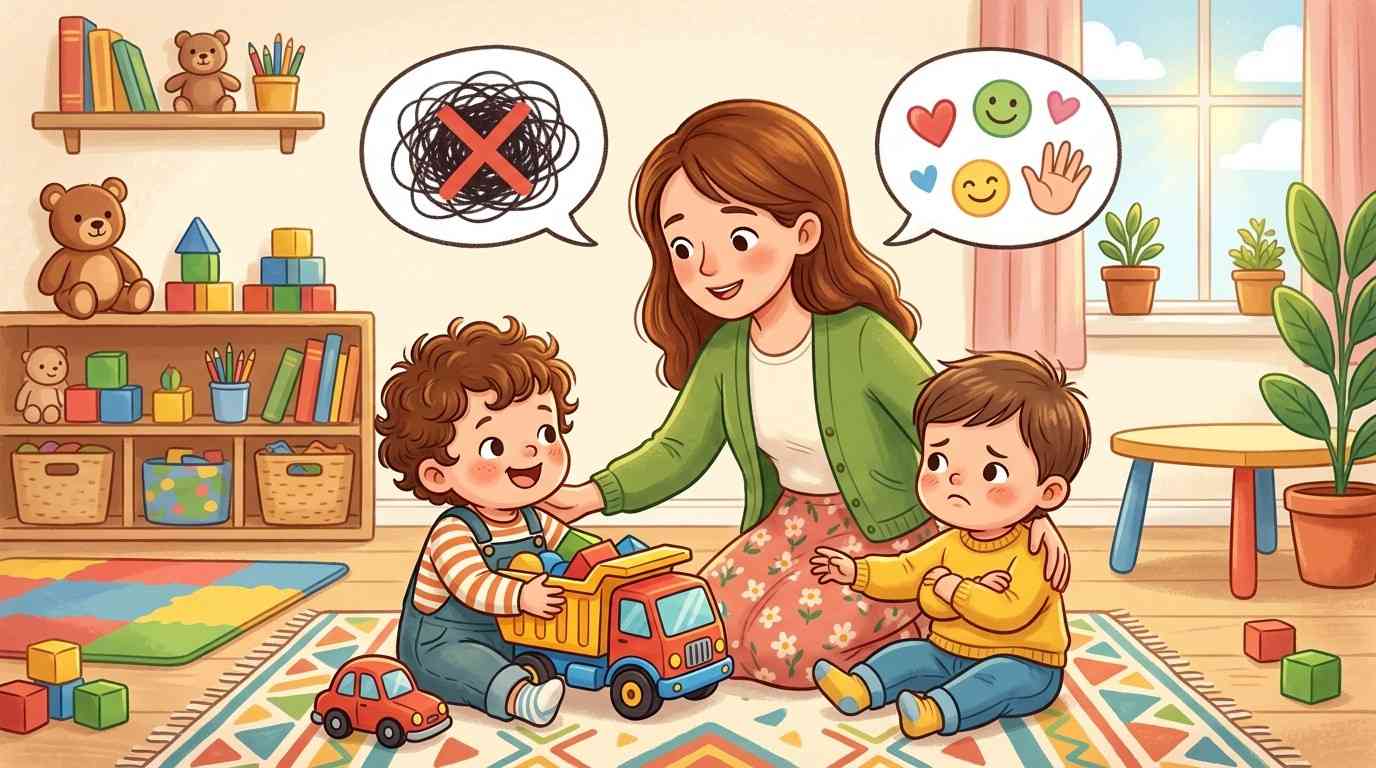
Babies express joy in various ways, from laughter to wide-eyed wonder. A baby who finds joy in playing peek-a-boo or enjoys being tossed in the air may have a more adventurous spirit. On the other hand, a baby who becomes easily frustrated when faced with challenges might be more sensitive or cautious.
These emotional expressions are not just fleeting moments; they are essential indicators of how a baby processes their experiences. Encouraging joyful moments while gently guiding them through frustrations can help shape their emotional intelligence and resilience.
Attachment Styles
Attachment styles formed in infancy can significantly influence personality development. Babies who exhibit secure attachment behaviors, such as seeking comfort from their caregivers when distressed, are likely to develop healthier relationships as they grow. In contrast, those who display anxious or avoidant behaviors may face challenges in social interactions later in life.
Understanding your baby’s attachment style can help you respond effectively to their emotional needs. Providing a stable and loving environment fosters secure attachment, which is crucial for healthy personality development.
Curiosity and Exploration
Curiosity is a fundamental trait that emerges in babies as they begin to explore their surroundings. This desire to learn and discover can be a strong indicator of personality development.
Interest in New Experiences
Babies often show curiosity by reaching for objects, turning their heads towards new sounds, or crawling towards unfamiliar sights. A baby who eagerly explores new textures or tastes may have a more adventurous personality, while one who hesitates to try new things might be more cautious.
Encouraging exploration is vital for personality development. Providing a safe and stimulating environment allows babies to satisfy their curiosity, fostering confidence and independence. This exploration is not just about physical movement; it also involves cognitive development as they learn about cause and effect through play.
Problem-Solving Skills
As babies grow, they encounter challenges that require problem-solving skills. Whether it’s figuring out how to reach a toy or understanding how to stack blocks, these moments are crucial for personality development. A baby who persistently tries to solve a problem may demonstrate traits of determination and resilience.
Parents can support this development by allowing babies to face challenges independently while offering guidance when needed. This balance helps foster a sense of competence and confidence, essential components of a strong personality.
Communication Styles
Communication is a vital aspect of personality, and babies begin to develop their unique communication styles from a young age. Understanding how your baby communicates can provide insights into their personality traits.
Vocalizations and Gestures
Babies often express themselves through coos, babbles, and gestures. Some may be more vocal and expressive, while others may communicate with subtle gestures or facial expressions. A baby who enjoys making sounds and experimenting with their voice may be more outgoing, while one who prefers non-verbal communication might be more introspective.
Encouraging vocalization and gestures can help babies develop their communication skills. Engaging in conversations, responding to their sounds, and mimicking their gestures can foster a rich language environment that supports personality development.
Response to Social Cues
Babies also learn to respond to social cues, such as eye contact and facial expressions. A baby who actively seeks eye contact and smiles back may be more socially inclined, while one who avoids eye contact might be more reserved. These responses can indicate how comfortable they feel in social situations.
Creating opportunities for social interaction, such as playdates or family gatherings, can help babies practice their social skills and develop their personality further. Observing how they respond to different social cues can provide valuable insights into their emerging personality traits.
Individual Preferences and Choices
As babies grow, they begin to express individual preferences and make choices. These preferences can be seen in various aspects of their daily lives, from food to activities.
Food Preferences
Even at a young age, babies can show preferences for certain flavors and textures. A baby who eagerly reaches for fruits and vegetables may have a more adventurous palate, while one who prefers bland foods might be more cautious. These preferences can be early indicators of their personality when it comes to food and lifestyle choices.
Introducing a variety of foods can help expand their palate and encourage a positive relationship with food. Observing their reactions to different tastes can provide insights into their developing personality and preferences.
Play Preferences
Play is a crucial aspect of a baby’s development, and their play preferences can reveal a lot about their personality. Some babies may gravitate towards active play, enjoying toys that allow them to move and explore, while others may prefer quieter activities, such as reading or building with blocks.
Encouraging a range of play experiences can help babies discover their interests and preferences. Providing opportunities for both active and quiet play can foster a well-rounded personality and support their overall development.
Responding to Challenges and Stressors
How babies respond to challenges and stressors can provide significant insights into their personality traits. These responses can vary widely, highlighting their unique coping mechanisms.
Handling Frustration
Every baby encounters frustration, whether it’s during play or when trying to communicate. Some may cry and seek comfort, while others might persistently try to overcome the obstacle. A baby who calmly attempts to solve a problem may demonstrate resilience and determination, while one who becomes easily overwhelmed may be more sensitive.
Supporting babies through moments of frustration is essential for their emotional development. Offering comfort and guidance can help them learn how to cope with challenges and build resilience, key traits that will benefit them throughout their lives.
Adaptability to Change
Babies often experience changes in their routines, such as new caregivers, travel, or changes in their environment. Observing how they adapt to these changes can provide insights into their personality. A baby who quickly adjusts to new situations may be more adaptable, while one who takes longer to acclimate might be more cautious.
Creating a stable and predictable environment can help babies feel secure and confident as they navigate changes. Encouraging gradual exposure to new experiences can also support their adaptability and personality development.
Nurturing Your Baby’s Unique Personality
Recognizing the signs of personality development in babies is just the beginning. Nurturing their individuality is essential for fostering a healthy personality as they grow. Here are some strategies to support this development.
Encouraging Exploration and Independence
Providing opportunities for exploration and independence is crucial for personality development. Allowing babies to explore their environment safely can help them build confidence and discover their interests. This exploration can take many forms, from supervised playtime to allowing them to choose their toys.
Encouraging independence, such as letting them try to feed themselves or choose their clothes, can also foster a sense of autonomy. These experiences help babies develop their preferences and make choices, contributing to their unique personality.
Creating a Supportive Environment
A supportive environment is essential for nurturing a baby’s personality. This includes providing love, encouragement, and understanding as they navigate their emotions and experiences. Responding to their needs and validating their feelings can help them develop a strong sense of self.
Additionally, fostering positive relationships with caregivers and family members can provide a strong foundation for social and emotional development. These connections can shape their personality and influence how they interact with others.
Conclusion
Understanding the signs that indicate a baby is developing their own personality is a fascinating journey for parents. From early reactions to social interactions and emotional responses, each sign provides valuable insights into their individuality. By nurturing their unique traits and providing a supportive environment, parents can help their babies grow into confident, well-rounded individuals.

As babies continue to grow and develop, their personalities will evolve and flourish. Embracing this journey with love and patience will not only strengthen the parent-child bond but also lay the groundwork for a bright future filled with endless possibilities.