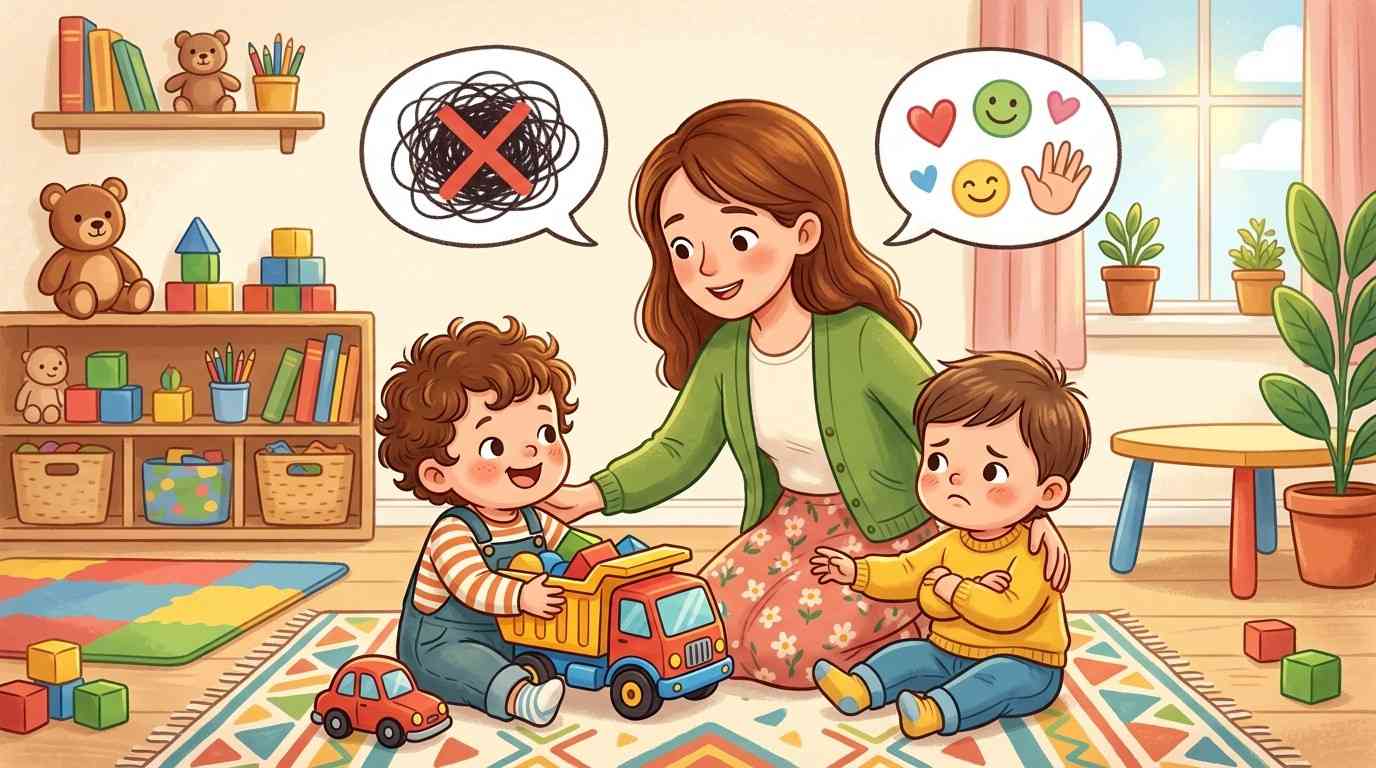
Emotional intelligence (EI) is the ability to recognize, understand, and manage our own emotions while also being able to recognize, understand, and influence the emotions of others. For young children, developing emotional intelligence is crucial as it lays the foundation for their social skills, empathy, and overall mental well-being. In a world that increasingly values emotional awareness, nurturing EI in children can lead to healthier relationships and better academic performance. This article explores effective strategies for fostering emotional intelligence in young children.
Understanding Emotional Intelligence
Before diving into strategies for building emotional intelligence, it’s important to understand what it entails. Emotional intelligence is often broken down into five key components: self-awareness, self-regulation, motivation, empathy, and social skills. Each of these components plays a vital role in how children interact with themselves and others. By nurturing these skills from an early age, we can help children navigate their emotions and relationships more effectively, leading to healthier interactions and improved mental well-being throughout their lives.

The Five Components of Emotional Intelligence
1. Self-awareness: This is the ability to recognize one’s own emotions and understand how they affect thoughts and behavior. For children, this might involve identifying feelings like happiness, sadness, or anger. Encouraging children to articulate their emotions can be done through activities like journaling or discussing their day, which fosters a deeper understanding of their emotional landscape. This self-awareness can also empower them to make more informed choices in their actions and reactions.
2. Self-regulation: This involves managing one’s emotions and impulses. Children learn to express their feelings appropriately rather than acting out or suppressing them. Techniques such as mindfulness exercises or breathing techniques can be introduced to help children pause and reflect before responding to emotional triggers. By practicing self-regulation, children can develop coping strategies that allow them to handle stress and frustration in constructive ways, ultimately leading to better emotional control.
3. Motivation: Emotionally intelligent children are often motivated by intrinsic factors. They set personal goals and strive to achieve them, which fosters resilience and perseverance. Encouraging a growth mindset, where children view challenges as opportunities for learning rather than obstacles, can significantly enhance their motivation. Celebrating their efforts, regardless of the outcome, reinforces the idea that persistence and hard work are valuable traits.
4. Empathy: This is the ability to understand and share the feelings of others. Empathy helps children build meaningful relationships and respond compassionately. Engaging in role-playing games or reading stories that explore different perspectives can enhance a child’s empathetic abilities. By discussing characters’ emotions and motivations, children can learn to recognize and validate the feelings of those around them, fostering a sense of connection and community.
5. Social skills: These are the skills needed to interact well with others. Children with strong social skills can communicate effectively, resolve conflicts, and work collaboratively. Teaching children how to listen actively, express themselves clearly, and negotiate solutions can significantly improve their social interactions. Group activities, team sports, or collaborative projects provide practical opportunities for children to practice these skills in a supportive environment, helping them to build confidence in their ability to connect with peers.
Creating a Supportive Environment
To cultivate emotional intelligence, it is essential to create an environment that supports emotional growth. This involves both home and educational settings where children feel safe to express their emotions and learn from their experiences.

Encouraging Open Communication
One of the most effective ways to build emotional intelligence is to encourage open communication. Parents and caregivers should create a space where children feel comfortable discussing their feelings without fear of judgment. This can be achieved by:
- Asking open-ended questions about their day and feelings.
- Validating their emotions, letting them know it’s okay to feel sad, angry, or confused.
- Modeling emotional expression by sharing personal feelings in an age-appropriate manner.
Setting a Positive Example
Children learn a great deal from observing the adults around them. By modeling emotional intelligence, caregivers can teach children how to handle their emotions effectively. This includes:
- Demonstrating self-regulation by managing stress and frustration calmly.
- Practicing empathy by showing understanding and compassion towards others.
- Engaging in healthy conflict resolution, which teaches children how to navigate disagreements constructively.
Teaching Emotional Vocabulary
Building emotional intelligence in children also involves teaching them the language of emotions. A rich emotional vocabulary allows children to articulate their feelings clearly, which is essential for self-awareness and communication.
Using Books and Stories
Books and stories can be powerful tools for teaching emotional vocabulary. Reading age-appropriate literature that explores various emotions helps children identify and understand feelings. Discussing characters’ emotions and motivations can also lead to deeper conversations about their own feelings.
Emotion Cards and Games
Using emotion cards or games can make learning about feelings fun and interactive. These tools can help children recognize facial expressions and associate them with specific emotions. Activities might include:
- Matching emotion cards with corresponding facial expressions.
- Playing games where children act out different emotions and others guess what they are.
- Creating a feelings chart where children can mark their emotions throughout the day.
Encouraging Empathy
Empathy is a cornerstone of emotional intelligence. It enables children to connect with others and understand their feelings. Encouraging empathy can be woven into daily activities and interactions.
Role-Playing Scenarios
Role-playing can be an effective way to teach empathy. By putting themselves in someone else’s shoes, children can learn to understand different perspectives. Scenarios can include:
- Acting out a situation where a friend is feeling left out.
- Discussing how they would feel if they were in a particular situation.
- Exploring how different reactions can affect others’ feelings.
Community Involvement
Involving children in community service or helping others can also foster empathy. Activities such as volunteering at a local shelter or participating in community clean-up days teach children the importance of compassion and caring for others.
Promoting Self-Regulation Skills
Self-regulation is crucial for managing emotions effectively. Children who can self-regulate are better equipped to handle stress and navigate challenges. Here are some strategies to promote self-regulation.
Mindfulness Practices
Introducing mindfulness practices can help children develop self-regulation skills. Mindfulness teaches children to be present and aware of their emotions without judgment. Simple practices might include:
- Breathing exercises to calm down when feeling overwhelmed.
- Guided imagery to visualize calming scenes.
- Short meditation sessions to enhance focus and emotional awareness.
Emotion Regulation Strategies
Teaching children specific strategies for regulating their emotions can empower them to handle difficult situations. Strategies may include:
- Identifying triggers that lead to strong emotions.
- Developing coping mechanisms, such as counting to ten or taking a break.
- Encouraging them to express their feelings through art, writing, or talking.
Encouraging Problem-Solving Skills
Emotional intelligence is not just about understanding emotions but also about using that understanding to solve problems effectively. Teaching children how to approach challenges with a problem-solving mindset is essential.
Guided Problem-Solving Activities
Engaging children in guided problem-solving activities can help them learn how to navigate emotional situations. This can involve:
- Discussing hypothetical scenarios and brainstorming solutions together.
- Encouraging them to think of multiple ways to handle a conflict with a friend.
- Role-playing different outcomes based on various choices they might make.
Celebrating Efforts and Progress
Recognizing and celebrating children’s efforts in problem-solving can reinforce their skills. Positive reinforcement encourages them to continue developing their emotional intelligence. This can be done by:
- Offering praise for their attempts to manage emotions or resolve conflicts.
- Creating a reward system for practicing emotional regulation techniques.
- Sharing stories of their successes in handling difficult situations.
Building Resilience through Challenges
Resilience is closely linked to emotional intelligence. Children who can bounce back from setbacks are more likely to thrive emotionally and socially. Building resilience involves teaching children how to cope with challenges and failures.

Encouraging a Growth Mindset
Instilling a growth mindset in children can help them view challenges as opportunities for growth rather than insurmountable obstacles. This mindset encourages them to embrace learning and persistence. Strategies to promote a growth mindset include:
- Emphasizing effort over outcome when praising achievements.
- Encouraging children to view mistakes as learning experiences.
- Modeling resilience by sharing personal stories of overcoming challenges.
Providing Opportunities for Independence
Allowing children to tackle age-appropriate challenges independently can build their confidence and resilience. This might involve:
- Encouraging them to make choices and decisions.
- Allowing them to face the natural consequences of their actions.
- Supporting them in setting and pursuing personal goals.
H2: Conclusion
Building emotional intelligence in young children is a multifaceted process that requires patience, consistency, and creativity. By fostering an environment that encourages emotional expression, teaching emotional vocabulary, promoting empathy, and developing self-regulation skills, caregivers can equip children with the tools they need to navigate their emotions and relationships effectively. As children grow and develop these skills, they will be better prepared to face the challenges of life with resilience and empathy, ultimately leading to healthier and more fulfilling lives.
Investing in emotional intelligence today will yield benefits that last a lifetime, shaping not only the individual child but also the communities they will one day contribute to. The journey of building emotional intelligence is ongoing, but the rewards are immeasurable.