Teaching children to do chores is more than just about keeping the house tidy. It’s a vital part of their development, helping them build responsibility, independence, and essential life skills. However, many parents wonder when is the right time to introduce chores and how to keep the process enjoyable rather than a daily battle. This article explores the best age to start chores, the benefits of involving kids in household tasks, and creative strategies to make chores fun and rewarding.
Why Assigning Chores to Kids Matters
Chores are often seen as tedious tasks, but for children, they serve as important opportunities for growth. Research shows that children who regularly participate in household chores develop better self-discipline and time management skills. According to a study published in the journal Child Development,kids who do chores consistently tend to have higher self-esteem and perform better academically. This correlation between chores and academic success can be attributed to the skills learned through these responsibilities, such as prioritization and focus, which are essential for effective studying and learning.
Moreover, chores foster a sense of contribution and teamwork within the family. When children understand that maintaining a home is a shared responsibility, they learn empathy and cooperation. This early exposure can also prepare them for adulthood, where managing personal and professional responsibilities becomes crucial. Engaging in chores together can also spark conversations about household management and the importance of contributing to a community, reinforcing the idea that every member plays a vital role in the overall well-being of the family.
Building Responsibility and Independence
Assigning age-appropriate chores helps children learn accountability. When kids are responsible for tasks like making their bed or setting the table, they gain confidence in their abilities. This sense of independence can motivate them to take on new challenges both inside and outside the home. For instance, a child who regularly helps with grocery shopping can learn to make healthier food choices, while a teenager who does their own laundry becomes more adept at managing their time and resources effectively.
Additionally, chores teach children practical skills such as cleaning, organizing, and basic cooking. These are foundational life skills that will benefit them throughout their lives. Learning to cook not only fosters creativity but also encourages healthier eating habits, while organizing their space can lead to improved focus and productivity. As children grow, these skills become increasingly important, equipping them with the tools they need to navigate the complexities of adult life with confidence.
Encouraging Family Bonding
Chores can also be a way to strengthen family relationships. Working together on household tasks encourages communication and cooperation. It provides opportunities for parents to teach and guide, while children feel valued and included in family life. The shared experience of completing chores can lead to laughter, storytelling, and bonding moments that create lasting memories. For example, cooking a meal together can turn into a fun culinary adventure, where children learn not just about food preparation but also about family traditions and cultural heritage.
Moreover, establishing a chore routine can create a sense of stability and predictability in family life. Children thrive in environments where they know what to expect, and having designated chores can help them feel secure. This structure allows families to spend quality time together, as chores can be integrated into family activities, such as music or games, making the experience enjoyable rather than burdensome. As a result, children not only learn valuable lessons about responsibility but also about the joy of working together toward a common goal.
When to Start Assigning Chores
Determining the right age to start chores depends on the child’s developmental stage and individual temperament. Experts generally agree that even toddlers can begin to help with simple tasks, and responsibilities can increase as children grow.

Chores for Toddlers (Ages 2-3)
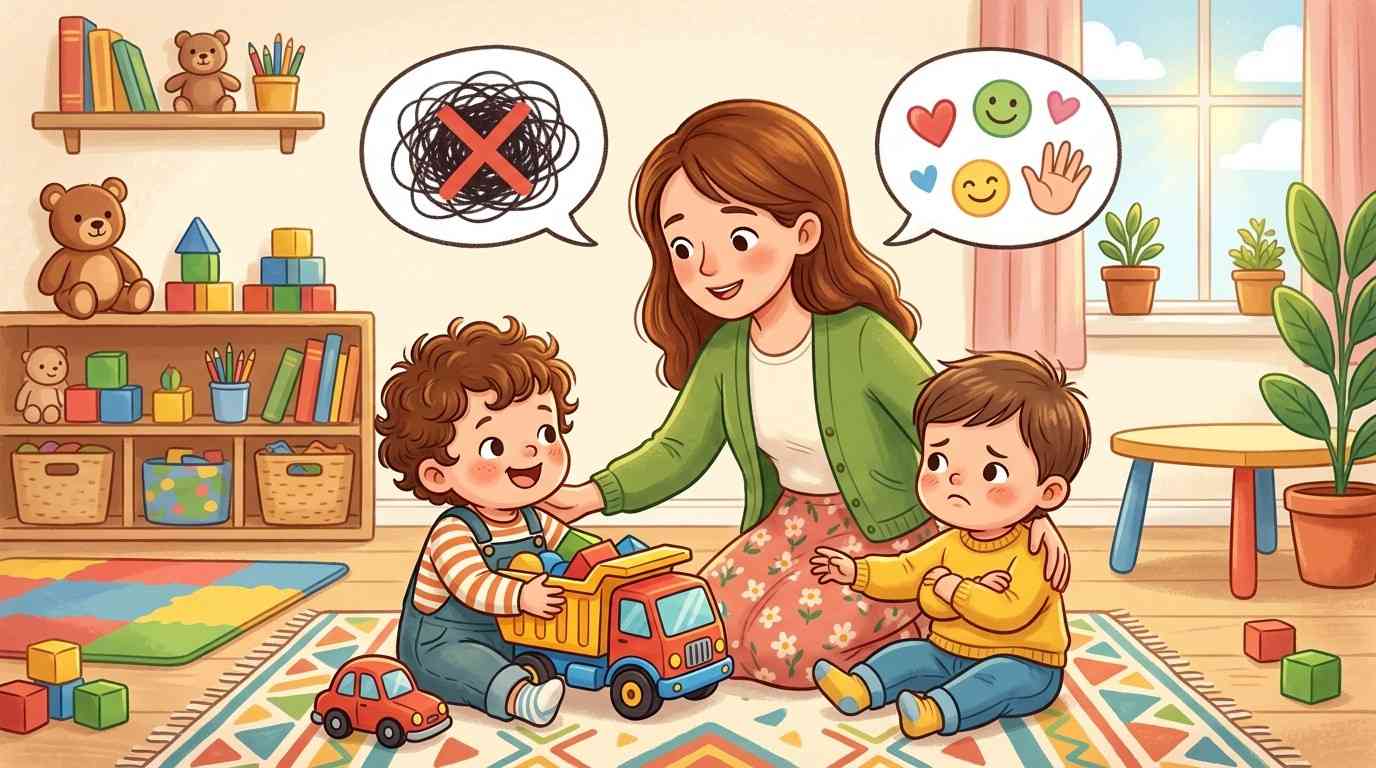
At this stage, children are learning to follow simple instructions and enjoy imitating adults. Age-appropriate chores include putting toys away, placing dirty clothes in a hamper, or helping to wipe up spills. These tasks are less about perfection and more about building habits and a sense of contribution.
Keep expectations low and focus on praise and encouragement. The goal is to make chores a positive experience rather than a source of frustration.
Preschoolers (Ages 4-5)
Preschoolers can handle slightly more complex chores like setting napkins on the table, watering plants, or helping to feed pets. At this age, children start to develop better motor skills and can follow multi-step instructions.
Using visual aids like chore charts with pictures can help preschoolers understand their responsibilities and track their progress.
Early Elementary (Ages 6-8)
Children in this age group can take on more independent tasks such as making their bed, putting away laundry, or helping with meal preparation. They are capable of understanding routines and can begin to manage their chores with less supervision.
Introducing small rewards or a point system can motivate kids to complete chores consistently.
Older Children and Teens (Ages 9 and Up)
Older children and teenagers can handle more complex and time-consuming chores like vacuuming, washing dishes, mowing the lawn, or doing their own laundry. This is also a good time to involve them in planning and managing household responsibilities.
Encouraging teens to take ownership of their chores helps prepare them for independent living and adult responsibilities.
How to Make Chores Fun for Kids
One of the biggest challenges parents face is turning chores from a dreaded obligation into an enjoyable activity. Here are several strategies to make chores engaging and fun for children of all ages.
Gamify the Experience
Turning chores into a game can motivate kids to participate enthusiastically. For example, setting a timer and challenging children to complete a task before the timer goes off creates a sense of excitement. Another idea is to create a chore bingo card where kids earn stickers for each completed task and can trade them for rewards.
Apps designed for chore management, like “ChoreMonster” or “OurHome,” use gamification techniques to keep kids interested and motivated.
Use Music and Dance
Playing upbeat music while doing chores can transform the atmosphere. Singing along or dancing while tidying up makes the tasks feel less like work and more like play. This approach works well for younger children and can also lighten the mood for the whole family.
Offer Choices and Autonomy
Giving children some control over which chores they do and when they do them increases their willingness to participate. For instance, letting kids pick between vacuuming or dusting empowers them and reduces resistance.
Additionally, involving children in creating the chore schedule helps them feel responsible and respected.
Celebrate Achievements
Positive reinforcement is key to maintaining motivation. Praise children for their efforts, no matter how small, and celebrate milestones like completing a week of chores without reminders. Small rewards such as extra screen time, a favorite treat, or a family outing can reinforce good habits.
Age-Appropriate Chore Ideas
Providing specific examples of chores suitable for different age groups helps parents implement a practical and effective chore routine.
Chores for Toddlers
- Put toys in the toy box
- Place dirty clothes in hamper
- Help wipe up small spills
- Put books back on shelves
Chores for Preschoolers
- Set napkins or utensils on the table
- Water indoor plants
- Feed pets with supervision
- Help sort laundry by colors
Chores for Early Elementary Kids
- Make their bed
- Put away clean laundry
- Help prepare simple meals
- Take out the trash
Chores for Older Children and Teens
- Vacuum and mop floors
- Wash dishes or load dishwasher
- Do their own laundry
- Mow the lawn or garden maintenance
- Plan and cook meals
Tips for Parents: Encouraging Consistency and Positive Attitudes
Getting kids to do chores regularly requires patience and strategy. Here are some practical tips for parents to foster a positive chore culture at home.
Set Clear Expectations
Be explicit about what chores need to be done and how often. Use chore charts or calendars to keep everyone on the same page. Clear communication helps reduce misunderstandings and excuses.
Lead by Example
Children learn a lot by watching their parents. When kids see adults actively participating in household tasks, they are more likely to adopt similar habits. Make chores a family activity rather than a solo responsibility.
Be Patient and Flexible
Remember that children are still learning and may not complete chores perfectly at first. Offer gentle guidance and avoid criticism. Flexibility is important—some days will be better than others, and that’s okay.
Keep It Positive
Focus on encouragement rather than punishment. Positive reinforcement builds motivation and self-esteem. Celebrate progress and effort, not just the end result.
Conclusion: Chores as a Pathway to Growth
Introducing chores to children at an early age and making them enjoyable can have lasting benefits. From fostering responsibility and independence to strengthening family bonds, chores are a valuable part of childhood development. By starting with simple tasks and gradually increasing complexity, parents can create a positive and engaging chore routine. With creativity, patience, and consistency, chores can become a fun and rewarding experience for the whole family.

Ultimately, the goal is to equip children with skills and attitudes that will serve them well throughout their lives. When chores are framed as opportunities for learning and contribution, kids are more likely to embrace them with enthusiasm and pride.