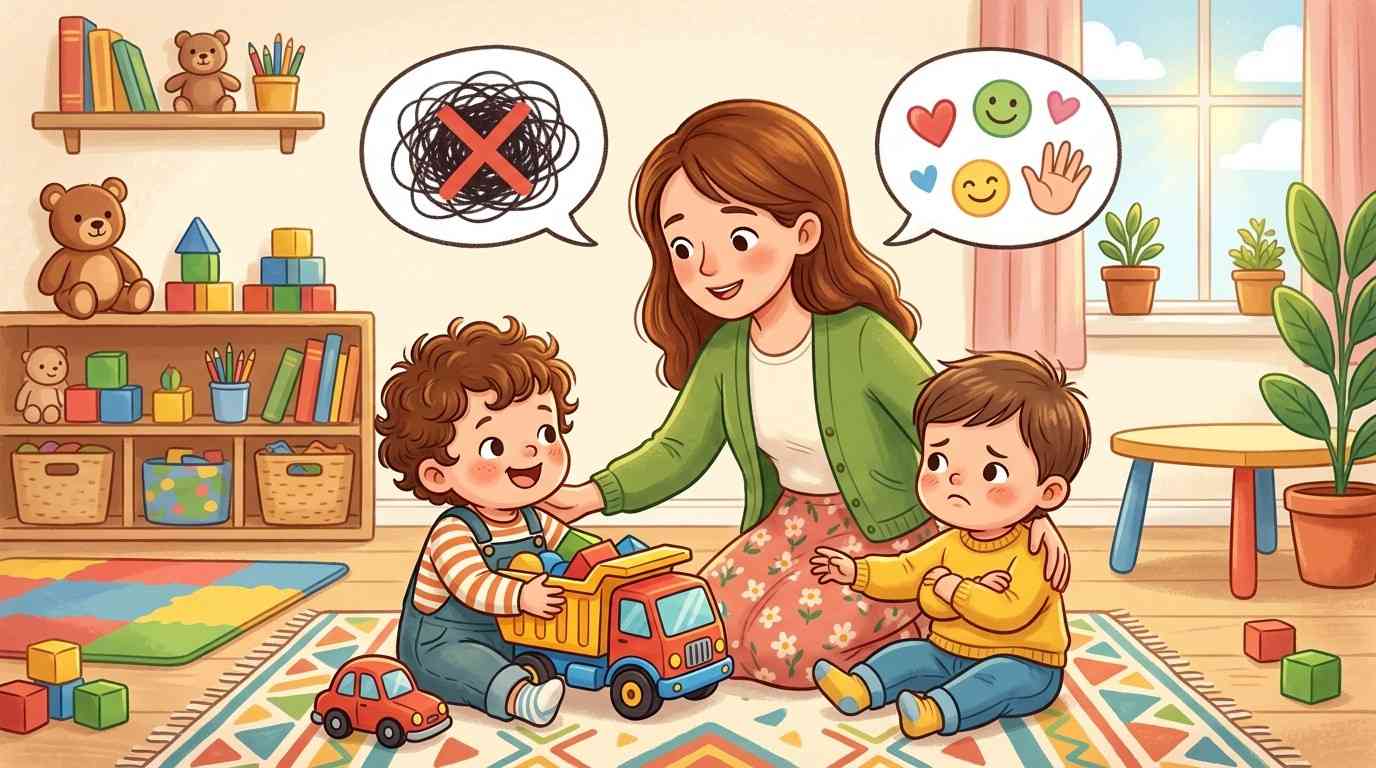
As parents and caregivers, the way we communicate with infants can significantly influence their language development. One common method of communication is “baby talk,” also known as infant-directed speech (IDS). This unique style of speaking is characterized by a higher pitch, exaggerated intonations, and slower tempo. But does baby talk truly benefit a child’s speech development, or could it potentially hinder it? This article delves into the nuances of baby talk, exploring its effects on language acquisition and overall communication skills.
The Nature of Baby Talk
Baby talk is often instinctive for adults when interacting with infants. It encompasses a variety of playful sounds, simplified vocabulary, and rhythmic patterns that capture a baby’s attention. But what exactly constitutes baby talk, and why do caregivers naturally gravitate towards it?

Characteristics of Baby Talk
Baby talk typically includes several distinct features that set it apart from regular adult conversation. These characteristics include:
- Higher Pitch: Adults often raise their pitch when speaking to babies, which helps to engage the child’s interest.
- Exaggerated Intonation: The use of melodic tones and exaggerated expressions can convey emotions more clearly.
- Repetition: Repeating words and phrases helps reinforce language learning and memory.
These elements work together to create a captivating auditory environment for infants, making it easier for them to focus on and process language sounds. Additionally, the rhythmic quality of baby talk mimics the natural cadence of music, which is known to be inherently appealing to babies. This musicality not only entertains but also aids in the development of auditory discrimination, a crucial skill for language acquisition.
Why Do We Use Baby Talk?
Using baby talk is a natural behavior that many adults adopt instinctively. It serves several purposes:
- Engagement: The playful nature of baby talk captures a baby’s attention, encouraging interaction and bonding.
- Language Learning: Simplified vocabulary and clear pronunciation can help babies learn new words and sounds more effectively.
- Emotional Connection: The affectionate tone of baby talk fosters a sense of security and attachment between the caregiver and the infant.
Moreover, the social dynamics of baby talk extend beyond mere communication; it acts as a bridge for emotional expression. Caregivers often use facial expressions and gestures in tandem with their vocalizations, creating a multi-sensory experience that reinforces the messages conveyed through words. This interplay not only enhances the baby’s understanding of social cues but also nurtures their emotional intelligence, allowing them to pick up on the subtleties of human interaction from an early age. As they grow, these foundational experiences with baby talk can significantly influence their social skills and emotional development.
The Benefits of Baby Talk
Research suggests that baby talk can have several positive effects on speech and language development. Understanding these benefits can help caregivers appreciate the importance of this communication style.
Enhancing Language Skills
Studies have shown that infants exposed to baby talk tend to develop language skills more rapidly than those who are not. The exaggerated sounds and rhythmic patterns make it easier for babies to discern phonetic differences, which is crucial for language acquisition.
Moreover, baby talk often includes a rich variety of vocabulary, albeit simplified. This exposure helps infants build their word bank early on, laying a strong foundation for more complex language skills as they grow. Additionally, the playful nature of baby talk often incorporates repetition and rhyme, which not only captures the baby’s attention but also reinforces memory retention. This playful interaction can turn into a delightful game, where caregivers and infants bond over silly sounds and playful expressions, further enriching the learning experience.
Improving Social Interaction
Baby talk not only aids in language development but also enhances social interaction. The engaging nature of this communication style encourages babies to respond and participate in conversations, fostering early social skills.
As infants mimic sounds and gestures, they learn the basics of turn-taking and conversational dynamics. These interactions are vital for developing effective communication skills later in life. Furthermore, the emotional tone often present in baby talk helps infants recognize and respond to emotional cues, creating a deeper connection between caregiver and child. This emotional bonding through vocal play can lead to increased trust and security, which are essential for healthy emotional development. As caregivers express joy and enthusiasm through their voices, babies not only learn about language but also about the importance of expressing feelings and understanding others’ emotions.
Potential Drawbacks of Baby Talk
While baby talk has numerous benefits, some experts caution against over-reliance on this communication style. It’s essential to strike a balance between baby talk and more complex language to ensure comprehensive language development.
Over-Simplification of Language
One concern regarding baby talk is that it may lead to an over-simplified understanding of language. If caregivers exclusively use baby talk, infants might not be exposed to the full range of vocabulary and grammatical structures necessary for effective communication.
To mitigate this risk, caregivers should gradually introduce more complex language as the child grows. This approach allows infants to learn the nuances of language while still benefiting from the engaging aspects of baby talk. Research suggests that children who are exposed to a richer vocabulary in their early years tend to have better language skills later on. Therefore, incorporating a variety of words and phrases, even in playful contexts, can significantly enhance a child’s linguistic repertoire.
Potential Confusion with Language Structure
Another potential drawback of relying solely on baby talk is that it may confuse infants regarding language structure. For example, the frequent use of simplified phrases and incorrect grammar could lead to misunderstandings about how language works.
To counteract this, caregivers should aim to model correct language usage alongside baby talk. This dual approach helps infants grasp the rules of language while still enjoying the playful aspects of communication. Additionally, engaging in activities like reading aloud or singing songs can further reinforce proper language structures. These activities not only introduce children to varied sentence constructions but also enhance their listening skills, which are crucial for effective communication. By blending playful and educational language experiences, caregivers can create a rich linguistic environment that supports healthy language development.
Finding the Right Balance
To maximize the benefits of baby talk while minimizing potential drawbacks, caregivers should strive for a balanced approach. This involves knowing when to engage in baby talk and when to transition to more complex language. Striking this balance not only supports language development but also nurtures emotional intelligence and social skills, which are crucial for a child’s overall growth.

When to Use Baby Talk
Baby talk can be particularly effective during the early months of an infant’s life. At this stage, babies are primarily focused on auditory stimuli and are learning to recognize sounds and patterns. Engaging in baby talk during this period can help:
- Capture Attention: The playful sounds and high pitch are more likely to hold a baby’s interest.
- Encourage Vocalization: Babies are more inclined to coo and babble in response to the engaging nature of baby talk.
- Foster Bonding: The affectionate tone helps strengthen the emotional connection between caregiver and infant.
Additionally, baby talk often incorporates exaggerated facial expressions and gestures, which can further enhance a baby’s engagement. The combination of sound and visual cues helps infants learn to interpret social signals, laying the groundwork for effective communication later in life. This playful interaction not only entertains the baby but also stimulates cognitive development as they begin to associate words with meanings and emotions.
Transitioning to Complex Language
As infants grow and begin to develop their language skills, caregivers should gradually introduce more complex language. This transition can occur around the age of one, when babies start to form their first words and sentences. Strategies for this transition include:
- Modeling Correct Language: Use proper grammar and vocabulary while speaking to the child, even if they respond in baby talk.
- Expanding on Their Words: If a child says a word, expand on it by adding more context or using it in a sentence.
- Encouraging Conversations: Engage in back-and-forth exchanges, allowing the child to express themselves while guiding them with more complex responses.
Incorporating storytelling into daily routines can also be an effective way to introduce new vocabulary and concepts. Reading aloud to children not only exposes them to a richer language environment but also sparks their imagination and curiosity. Caregivers can ask open-ended questions about the story or characters, prompting children to think critically and articulate their thoughts. This interactive approach not only reinforces language skills but also fosters a love for reading and learning that can last a lifetime.
Conclusion: Embracing Baby Talk with Intention
In conclusion, baby talk can play a vital role in early speech development, providing a unique and engaging way for caregivers to communicate with infants. While it offers numerous benefits, including enhanced language skills and improved social interaction, it is essential to find the right balance between baby talk and more complex language.
By embracing baby talk with intention and gradually transitioning to more sophisticated language, caregivers can support their child’s speech development effectively. Ultimately, the goal is to create a rich linguistic environment that fosters communication, connection, and confidence as children grow and learn.
As research continues to evolve, understanding the dynamics of baby talk will remain an essential aspect of nurturing language development in the early years. By being mindful of communication styles and their impact, caregivers can play a crucial role in shaping a child’s future linguistic abilities.